




What's Happening?
Hawaii is preparing for potential heavier rainfall in the coming week, particularly midweek, due to an early-season trough settling northwest of the state. Stable conditions and moderate to breezy trade winds are expected through Monday, with winds becoming
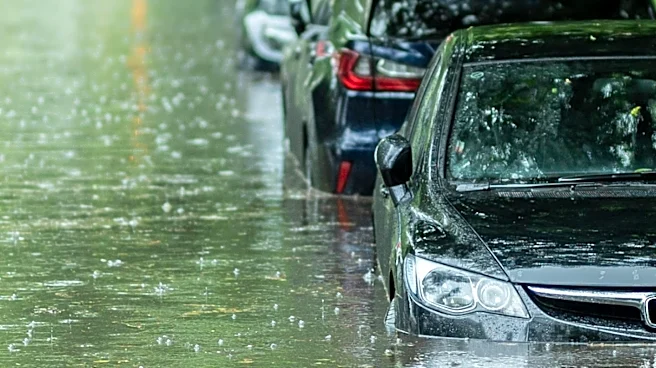
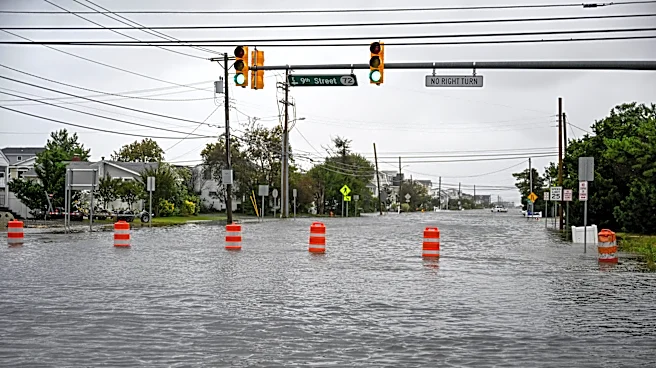
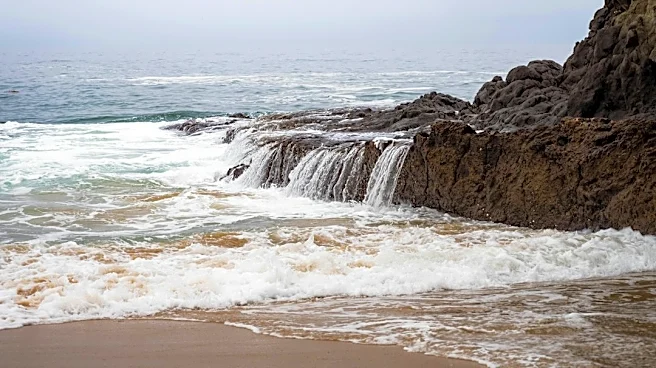
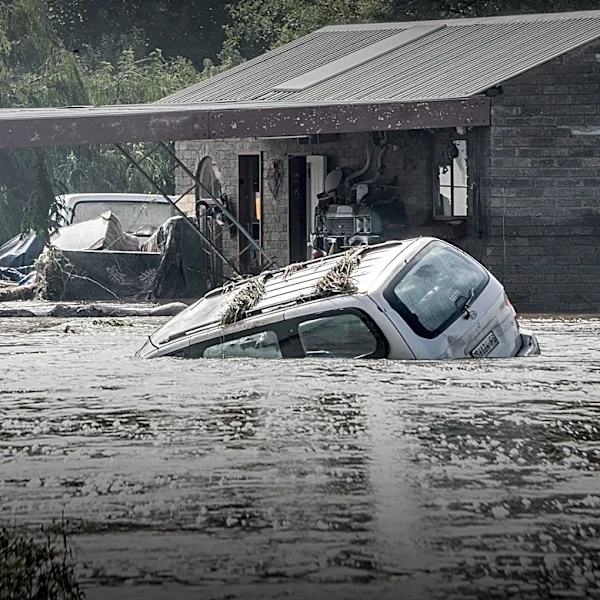
lighter on Tuesday, which could lead to afternoon clouds and showers in interior sections of the islands. Forecast models indicate that this trough will pull deep tropical moisture northward, resulting in more showers, especially for the western parts of the state. Kauai and Oahu are specifically identified as areas that could experience heavier rain and flash flooding from Wednesday night through Thursday, with the threat potentially lasting longer for Kauai. Additionally, a small long-period swell is anticipated to arrive late Sunday, boosting south-facing shorelines, while north shore waves will decline. East shore surf will remain choppy due to trade wind swell. Mariners should note a small craft advisory in effect for windier coastal and channel waters around Maui County and Hawaii Island until Sunday evening. The monthly box jellyfish influx is also expected to begin on Sunday along south and some west-facing shores on Oahu, prompting warnings for beachgoers to check with lifeguards.
Why It's Important?
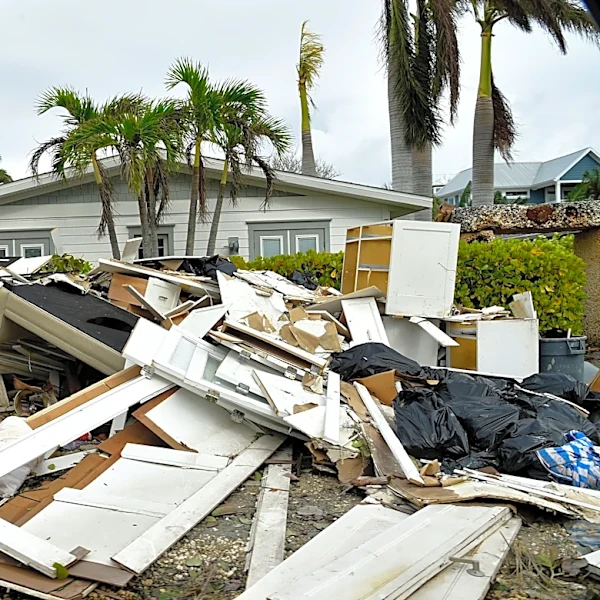
The anticipated heavy rainfall and potential for flash flooding carry significant implications for Hawaii's infrastructure, public safety, and local economy. Flash floods can lead to road closures, disruptions in transportation, and damage to property, impacting residents and businesses. The advisory for mariners and the warning about box jellyfish influx highlight potential hazards for both commercial and recreational ocean activities, which are vital to the state's tourism industry and local livelihoods. While the immediate impact is on weather-related safety and convenience, prolonged or severe weather events can strain emergency services and affect agricultural output. The mention of an early-season trough suggests a potential shift in weather patterns, which could have broader implications for water management and disaster preparedness in the long term. The combination of these factors underscores the importance of continuous monitoring and public awareness to mitigate potential risks and ensure community resilience.
What's Next?
Residents and visitors in Hawaii, particularly on Kauai and Oahu, should monitor weather updates closely as the early-season trough approaches. Emergency services and local authorities will likely be on heightened alert to respond to any incidents of flash flooding or other weather-related emergencies. The National Weather Service will continue to issue advisories and warnings as the situation develops, providing more specific details on the timing and intensity of rainfall. For those planning ocean activities, checking with lifeguards and observing warning signs regarding box jellyfish will be crucial for safety. Infrastructure maintenance crews may need to prepare for potential road closures and repairs. Businesses, especially those reliant on tourism or outdoor activities, may need to adjust operations based on weather conditions. The ongoing monitoring of weather patterns will also inform future long-term planning for climate resilience and disaster preparedness across the Hawaiian Islands.
Beyond the Headlines
Beyond the immediate weather forecast, this event highlights Hawaii's inherent vulnerability to natural phenomena, including tropical weather systems and marine life. The mention of an 'early-season trough' could signal broader shifts in regional climate patterns, potentially leading to more frequent or intense weather events in the future. This necessitates a deeper conversation about climate adaptation strategies, including improved drainage systems, coastal protection, and enhanced early warning systems. The recurring issue of box jellyfish influx also points to the delicate ecological balance of Hawaii's marine environment and the need for ongoing public education regarding marine hazards. The interplay between natural events and human activity, particularly tourism, underscores the importance of sustainable practices and robust emergency preparedness to protect both the environment and the economy. This situation serves as a reminder of the continuous need for vigilance and proactive measures in a region highly susceptible to environmental changes.