





What's Happening?
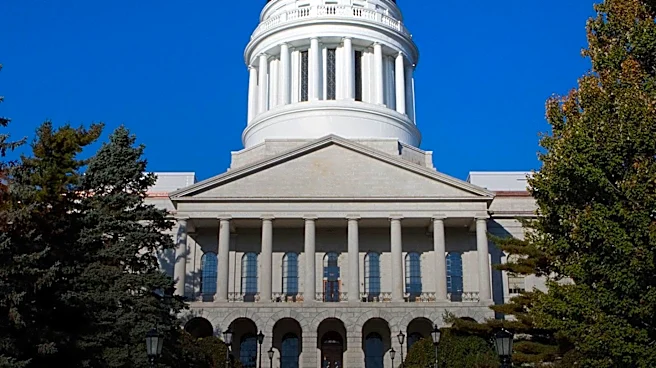
In Maine, prisoners are organizing to protect their right to vote, a rare privilege in the U.S. that they have retained despite being incarcerated. This comes as the state debates the potential reinstatement of parole, a policy abolished in 1976. Democratic
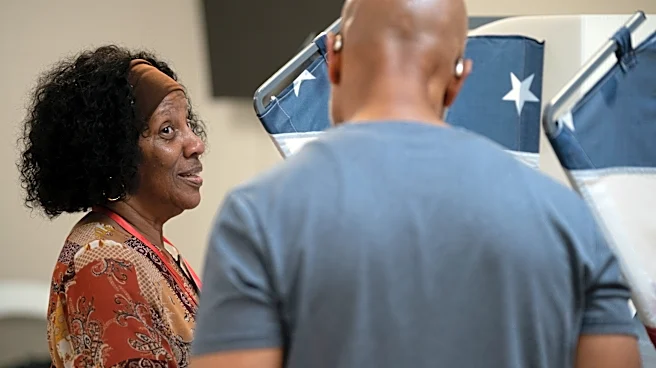
Governor Janet Mills opposes parole, while her potential successor, Hannah Pingree, supports it, believing it could aid rehabilitation. Despite having the right to vote, logistical challenges often hinder prisoners from exercising this right. Activists within the prison system, particularly those associated with the NAACP, have been instrumental in advocating for ballot access, although participation remains low.
Why It's Important?
The ability for prisoners to vote in Maine is significant as it allows them to influence policies that directly affect their lives, such as the potential reinstatement of parole. This right is rare in the U.S., where most states disenfranchise incarcerated individuals. The ongoing advocacy highlights broader issues of voting accessibility and civil rights within the prison system. The outcome of this debate could set a precedent for other states and influence national discussions on criminal justice reform and voting rights for incarcerated individuals.