
What's Happening?
The conflict between the United States and Iran has reached a critical point, with the strategic Strait of Hormuz at the center of tensions. A memorandum of understanding signed in June to pause hostilities has collapsed, leading to renewed military actions.
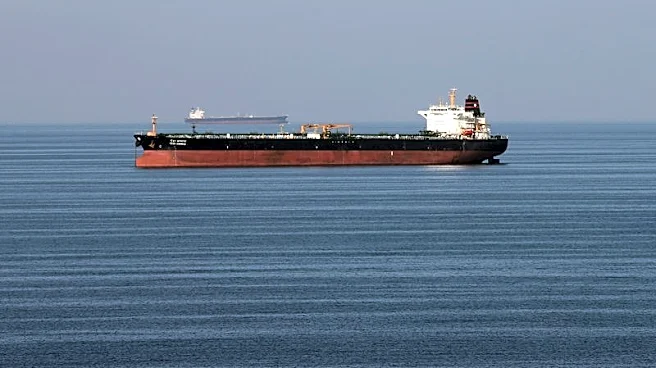
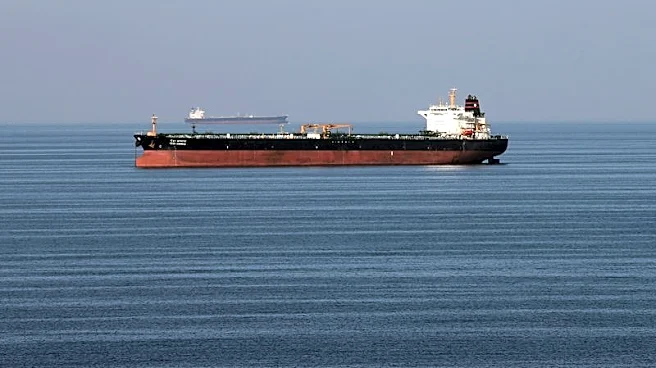
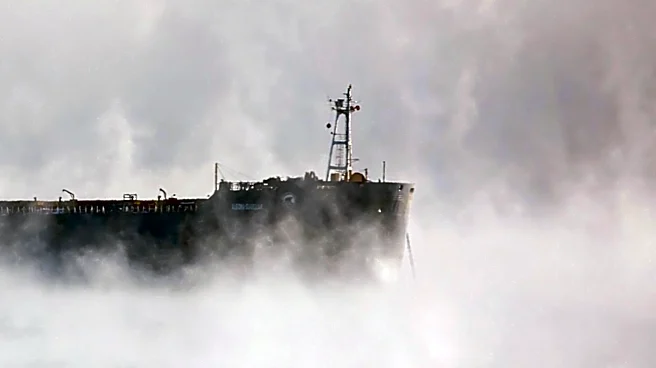
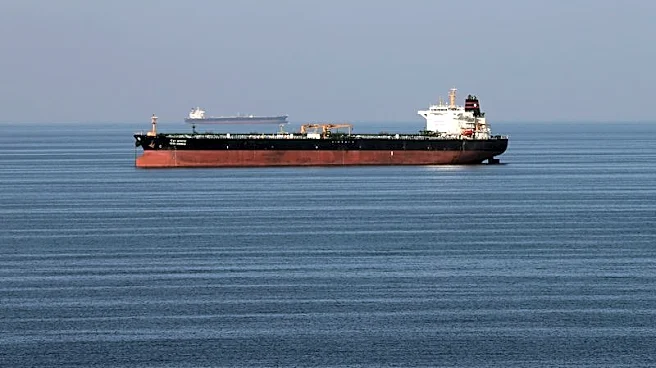
The US has maintained a naval blockade, redirecting and disabling commercial vessels, while Iran has enforced a near-total closure of the strait, disrupting global oil and gas exports. Diplomatic efforts, notably through Oman, are attempting to establish a temporary transit route, but disagreements over sovereignty and security persist.
Why It's Important?
The Strait of Hormuz is a vital corridor for global energy supplies, and its closure has significant implications for international markets and regional stability. The US's aggressive military posture and Iran's strategic control over the strait highlight the geopolitical stakes involved. The situation poses risks of further escalation, impacting global oil prices and economic stability. Diplomatic resolutions are crucial to prevent a prolonged conflict that could have widespread economic and political repercussions.
What's Next?
Negotiations mediated by Oman aim to secure a temporary transit route, but fundamental disagreements remain. The US insists on freedom of navigation, while Iran seeks to maintain control over the strait. The outcome of these talks will be pivotal in determining the future of the conflict. The international community's involvement and potential sanctions or diplomatic interventions could influence the resolution of this crisis.