







What's Happening?
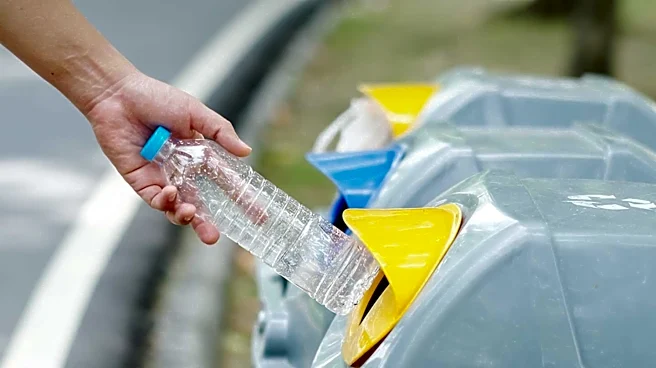
Vermont has enacted House Bill 915, which introduces significant changes to the state's bottle bill system, effective from July 1. The new law increases the handling fees paid to redemption centers and retailers, aiming to maintain the financial viability
of the deposit-return system. This adjustment is part of a broader trend where states are revisiting their recycling programs to address inflation and evolving consumer habits. The legislation also sets ambitious redemption rate goals of 75% by 2029 and 80% by 2032. The changes are designed to improve efficiency, increase redemption opportunities, and enhance recycling performance. Additionally, the law introduces convenience requirements to ensure minimum redemption access across the state, addressing the issue of 'redemption deserts' where residents have limited options for returning containers.
Why It's Important?
The update to Vermont's bottle bill is significant as it reflects a growing movement among states to modernize recycling systems that have been in place for decades. By increasing handling fees, the state aims to support redemption centers facing financial pressures due to rising labor and operational costs. The legislation's focus on improving redemption rates and accessibility is crucial for environmental sustainability, as it seeks to reduce litter and keep valuable materials out of landfills. The changes also align with broader national efforts to enhance recycling efficiency and participation, as seen in other states like Connecticut and California, which have recently updated their bottle bill programs.
What's Next?
As Vermont implements these changes, the state will monitor the impact on redemption rates and the financial health of redemption centers. The increased handling fees may lead to higher beverage prices, a concern raised by small businesses and beverage distributors. However, the long-term goal is to make the redemption process more convenient and efficient for consumers. The state will likely continue to refine its system to meet the set redemption rate goals and address any emerging challenges. Other states may observe Vermont's progress and consider similar updates to their own bottle bill systems.