



What's Happening?
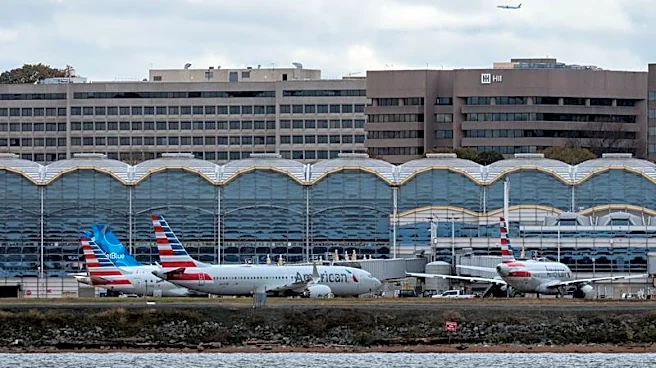
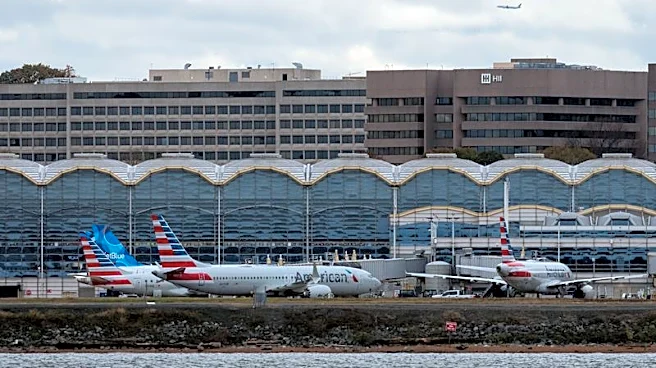
Families of the 67 individuals killed in a midair collision near Ronald Reagan Washington National Airport (DCA) on January 29, 2025, gathered outside the U.S. Capitol to advocate for new aviation safety legislation. The collision involved an American
Airlines Flight 5342 and a U.S. Army helicopter. The families are urging Congress to combine the ROTOR Act and the ALERT Act into a single bill. This proposed legislation would mandate that both civilian and military aircraft be equipped with Automatic Dependent Surveillance-Broadcast (ADS-B) technology, which broadcasts (ADS-B Out) and receives (ADS-B In) information between aircraft and air traffic control. Currently, ADS-B In equipment is not required by law. The ALERT Act specifically calls for ADS-B Out to be the default for Department of Defense helicopters in national airspace, unless operational security is compromised, and requires DOD aircraft to have integrated ADS-B In technology by December 31, 2031.
Why It's Important?
The push for comprehensive aviation safety legislation following the tragic midair collision highlights a critical gap in current regulations, particularly concerning military aircraft operations within national airspace. The proposed ROTOR and ALERT Acts aim to enhance situational awareness for pilots and air traffic controllers by mandating advanced ADS-B technology. This technology is crucial for preventing future collisions by providing real-time location data. The families' advocacy underscores the human cost of regulatory shortcomings and the urgent need for legislative action to improve air safety. The debate over a 'military loophole' for routine or training operations, as raised by Senator Maria Cantwell, points to a significant policy challenge: balancing national security interests with civilian safety. Passing this legislation could set a new standard for aviation safety, potentially saving lives and restoring public confidence in air travel.
What's Next?
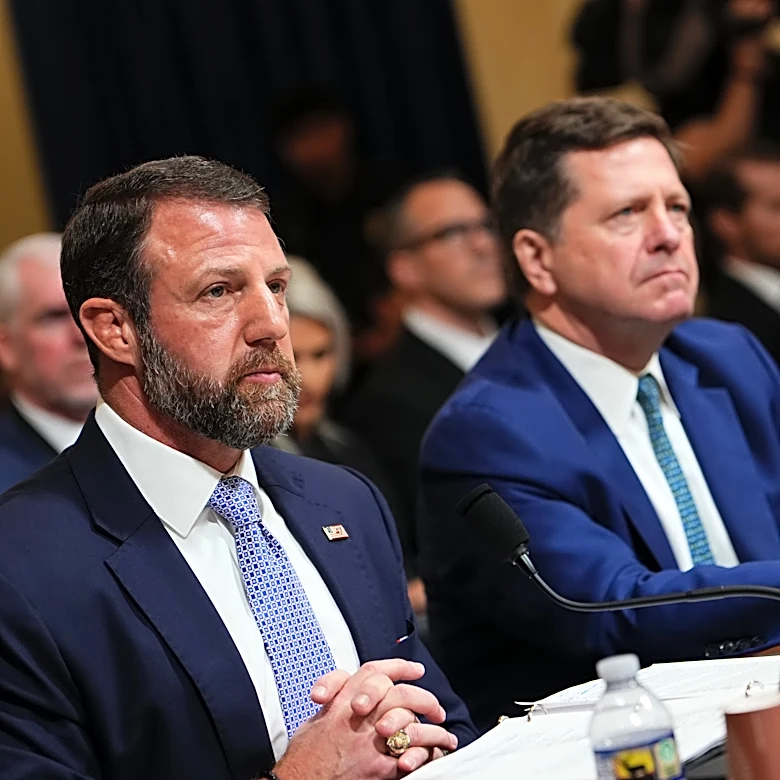
Senator Ted Cruz (R-TX), Chairman of the Senate Committee on Commerce, Science and Transportation, announced an agreement in principle between the Senate and House to mandate ADS-B In for all flights already required to broadcast ADS-B Out. However, Senator Maria Cantwell (D-WA), Ranking Member of the committee, clarified that this agreement currently applies only to civil aircraft, not military. Negotiations are ongoing with the House Armed Services Committee to resolve these details, with Senator Cruz expressing his objective to pass the bill before the end of the year. The families of the victims, such as Matthew Collins and Rachel Feres, are pressing for immediate action, emphasizing the emotional toll of the delay. The outcome of these negotiations will determine the scope and effectiveness of the new aviation safety measures, particularly regarding military aircraft integration into the national airspace system.
Beyond the Headlines
The tragic midair collision and the subsequent legislative push reveal deeper issues concerning the integration of military and civilian air traffic control systems and the regulatory frameworks governing them. The 'military loophole' debate highlights a long-standing tension between the operational autonomy of defense forces and the need for universal safety standards in shared airspace. This incident could catalyze a broader re-evaluation of how military training and routine operations are conducted in proximity to major civilian airports. Furthermore, the families' persistent advocacy underscores the power of citizen engagement in driving policy change, even in complex technical and political domains. The eventual legislation, if passed comprehensively, could not only prevent future accidents but also foster greater collaboration and standardization between military and civilian aviation authorities, setting a precedent for enhanced safety protocols globally.