
What's Happening?
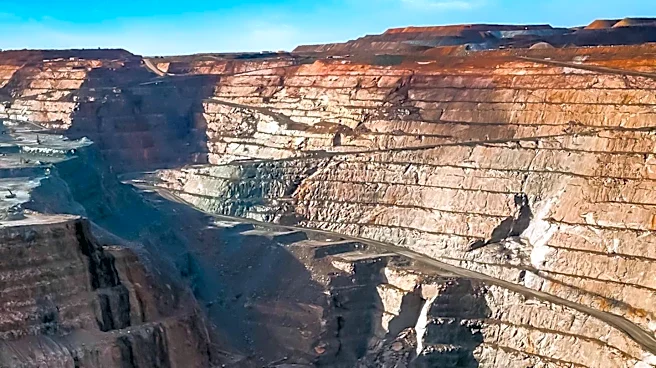
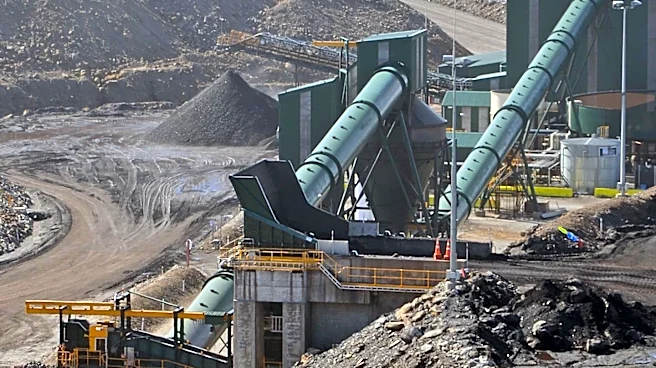
In Zambia's Copperbelt region, the extraction of copper, a critical mineral for electric batteries, is causing significant environmental pollution without delivering economic benefits to local communities.
Despite President Hakainde Hichilema's promise to triple copper production to alleviate national debt, residents face severe pollution issues, including contaminated water, air, and soil. The region's strategic importance attracts global interest from countries like China and the United States. However, local populations suffer from health problems and economic hardships due to the environmental degradation caused by mining activities.
Why It's Important?
The situation in the Copperbelt highlights the complex relationship between natural resource extraction and sustainable development. While copper mining is crucial for Zambia's economy and global supply chains, the environmental and social costs are significant. The lack of economic benefits for local communities raises questions about equitable resource management and corporate responsibility. Addressing these issues is essential for ensuring that resource-rich regions can benefit from their natural wealth without compromising environmental and public health. The international community's involvement in Zambia's mining sector underscores the need for transparent and fair practices.
What's Next?
To address the challenges in the Copperbelt, the Zambian government may need to implement stricter environmental regulations and ensure that mining companies contribute to local development. Taxation and revenue-sharing mechanisms could be explored to provide economic benefits to affected communities. International stakeholders, including investors and environmental organizations, may play a role in advocating for sustainable mining practices. The upcoming presidential election could influence policy decisions, as candidates may prioritize environmental and economic reforms to gain public support.