



What's Happening?
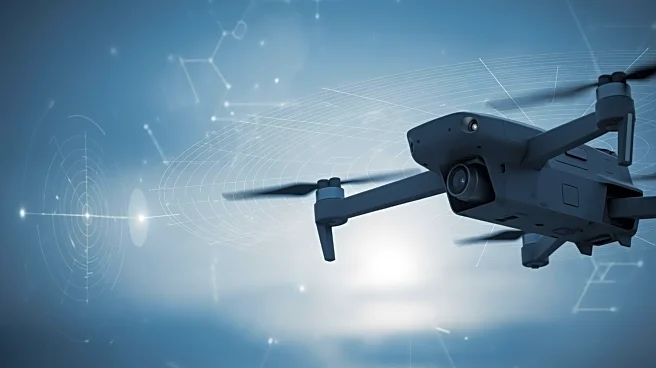
Russia's use of low-cost drones, such as the Shahed-136, is challenging NATO's defense systems. These drones, costing between $20,000 and $40,000, are capable of long-range attacks and have been used to target civilian infrastructure. The drones' affordability
and effectiveness have prompted NATO members to look to Ukraine's defense strategies for inspiration. Ukraine has employed a mix of laser-guided missiles, electronic warfare, and interceptor drones to counter these threats. The psychological impact of these persistent drone attacks is significant, as they aim to exhaust resources and create economic disruption.
Why It's Important?
The deployment of inexpensive drones by Russia represents a shift in military tactics, emphasizing cost-effective methods to achieve strategic goals. This development poses a significant challenge to NATO, as traditional defense systems are financially unsustainable against such low-cost threats. The situation underscores the need for innovative defense solutions that are both effective and economically viable. The widespread use of these drones could lead to increased military spending and a reevaluation of defense strategies among NATO members, potentially influencing global military dynamics.
What's Next?
NATO countries may increase investment in developing and deploying cost-effective defense technologies, such as drone-on-drone interception systems. The alliance could also enhance collaboration and information sharing to improve collective defense capabilities. As the threat of drone attacks grows, there may be a push for international regulations on drone technology and usage. Additionally, the situation could lead to increased geopolitical tensions, as countries seek to protect their airspace and infrastructure from similar threats.