






What's Happening?
A cross-sectional analysis of 421 adults aged 75 and older from the Loma Linda Longevity Study indicates that a comprehensive Healthy Lifestyle Index is strongly and monotonically correlated with both self-rated health and quality of life. This index
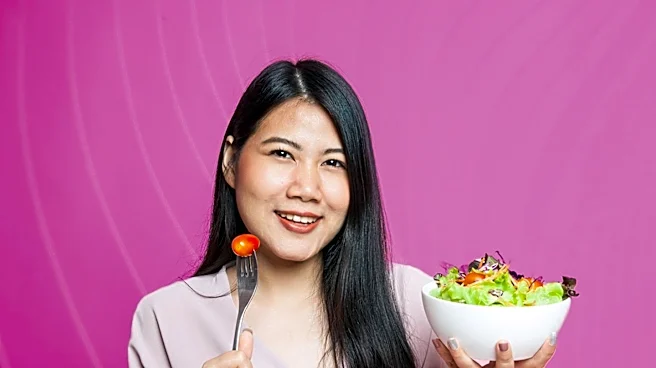
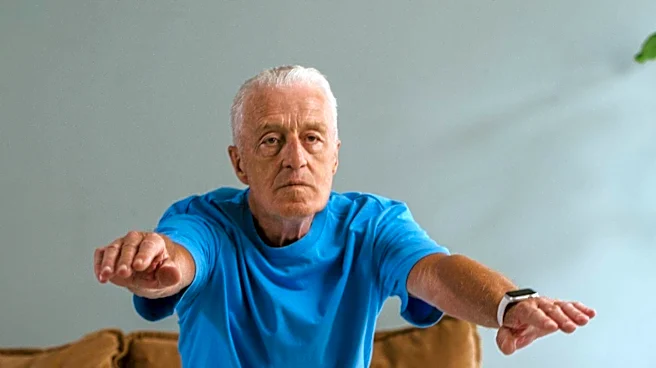
incorporates fruit and vegetable intake, avoidance of sugar and fat, smoking and alcohol status, physical activity, and sleep duration. Participants in the top quartile of this index demonstrated approximately five to seven times higher adjusted odds of reporting superior subjective health compared to those in the bottom quartile. The study, conducted between 2021 and 2023 across San Bernardino and Riverside counties in Southern California, focused on how lifestyle choices impact the perceived health and quality of life in the oldest-old. While a vegetarian dietary pattern was initially linked to better outcomes, this association weakened once body mass index and disease burden were factored into the model. The research emphasizes that the overall pattern of these nine ordinary behaviors, rather than any single component, significantly contributes to better health outcomes.
Why It's Important?
This study highlights the profound impact of cumulative healthy lifestyle choices on the well-being of older adults in the U.S., particularly those aged 75 and above. It challenges the notion that significant health improvements are unattainable in later life, demonstrating that lifestyle differences remain tightly coupled to how individuals experience their own health, even in advanced age. The findings suggest that public health initiatives and healthcare strategies aimed at promoting longevity and quality of life should focus on a holistic approach to daily habits rather than isolated interventions. For healthcare providers, this research underscores the importance of encouraging a broad spectrum of healthy behaviors among their elderly patients. Economically, a healthier aging population could lead to reduced healthcare costs associated with chronic diseases and improved productivity and engagement in society, benefiting both individuals and the broader U.S. economy.
What's Next?
Future research will likely aim to establish causality rather than just correlation, potentially through longitudinal studies that track participants over extended periods. The study's authors note that the cross-sectional design means it cannot definitively separate cause from consequence, suggesting that healthier individuals might find it easier to maintain good habits. Further investigation into the long-term adherence to dietary patterns, such as vegetarianism, is also warranted, as the study indicated that benefits were more pronounced for those who maintained such diets for ten years or more. Public health campaigns may leverage these findings to develop more integrated and sustained programs promoting a combination of healthy eating, physical activity, and adequate sleep for older Americans. Additionally, the insights could inform personalized wellness plans, encouraging individuals to adopt a 'stack' of beneficial habits for improved health and quality of life in their later years.
Beyond the Headlines
The study's emphasis on the 'stack' of behaviors over individual factors points to a deeper understanding of health as an interconnected system. This perspective moves beyond reductionist views, suggesting that the synergy of multiple healthy habits creates a more robust and resilient physiological state. The finding that self-rated health is a strong predictor of mortality and hospitalization, independent of measured disease, highlights the psychological and subjective dimensions of well-being, which are often overlooked in purely clinical assessments. This implies that fostering a positive perception of one's health, potentially through empowering individuals with actionable lifestyle choices, could have tangible health benefits. Furthermore, the study's focus on a demographic often considered past the point of significant behavioral payoff challenges ageist assumptions in healthcare and society, advocating for continuous engagement with health-promoting behaviors throughout the lifespan.