





What's Happening?
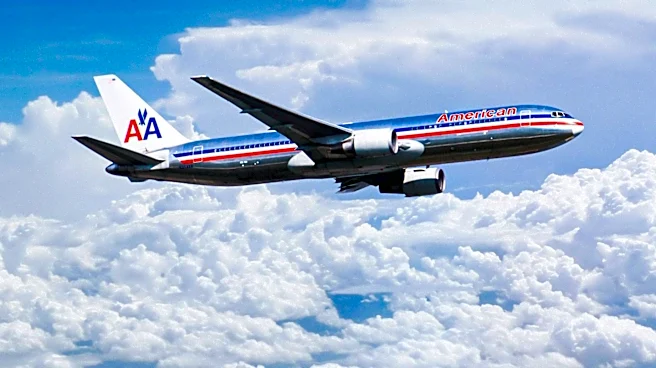
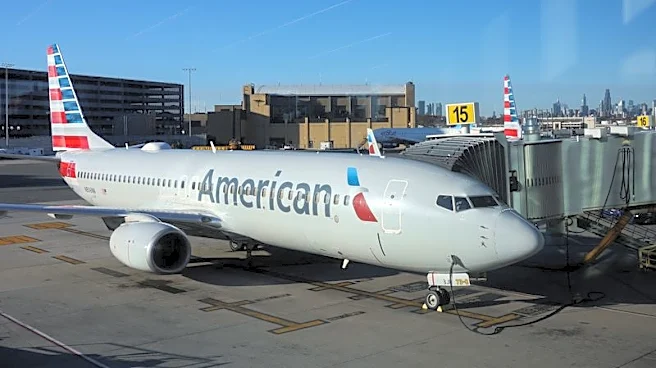
A potential aviation disaster was successfully averted at Phoenix Sky Harbor International Airport when a vigilant air traffic controller identified two American Airlines jets mistakenly operating under the same flight number, American 2482. The incident
occurred shortly after midnight on Friday, involving one plane arriving from Chicago and another departing Phoenix. The controller quickly recognized the anomaly and, through clear and precise communication, distinguished between 'American 2482 on the arrival' and 'American 2482 on the departure.' This rapid intervention ensured that both aircraft maintained proper separation, preventing a potential collision. Both flights subsequently continued their journeys safely and without further incident.
Why It's Important?
This incident underscores the critical role of human vigilance and expertise within highly automated systems, particularly in air traffic control. While an apparent administrative error within the airline's dispatch center led to the duplicate flight numbers, the quick thinking and professionalism of the air traffic controller were paramount in preventing a serious accident. It highlights the robustness of aviation safety protocols, which include multiple layers of safeguards, and emphasizes the indispensable value of clear communication, rapid decision-making, and the human element in maintaining the safety and integrity of air travel, especially in busy and complex airspace environments like major international airports.
What's Next?
Both the Federal Aviation Administration (FAA) and American Airlines have announced that they will launch investigations into how two aircraft were assigned the same flight number and allowed to operate simultaneously in the same airspace. Aviation safety expert Steve Arroyo suggested that the most likely cause was an oversight within the airline's dispatch center, where a failure to catch the overlap occurred. The investigations will aim to identify the specific procedural gaps that led to this error and implement corrective actions to prevent similar occurrences in the future, thereby reinforcing the existing layers of safety within the air travel industry.
Beyond the Headlines
This event serves as a powerful reminder of the constant vigilance required in air traffic control and the potential for seemingly minor administrative errors to escalate into critical safety risks. It also showcases the irreplaceable human element in highly automated and technologically advanced systems, where the quick thinking and professionalism of individuals can be the ultimate safeguard against catastrophic failure. The incident could prompt a comprehensive review of airline dispatch procedures and FAA oversight regarding flight number assignments, potentially influencing future operational guidelines and training protocols across the entire aviation industry to enhance safety measures further.