





What's Happening?
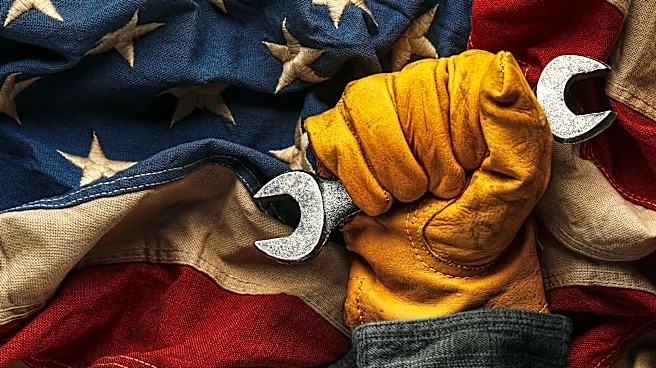
Labor Day, observed annually on the first Monday in September, is a national holiday dedicated to recognizing the social and economic achievements of American workers. The holiday's origins trace back to the late 19th-century labor movement, a period
marked by significant industrial growth and worker activism. The first recorded Labor Day celebration took place on September 5, 1882, in New York City, organized by the Central Labor Union. This event featured a parade through lower Manhattan with an estimated 10,000 to 20,000 marchers, followed by a festival. The concept of a workers' holiday quickly gained traction, with Oregon becoming the first state to enact a Labor Day law in 1887. By 1894, Congress passed legislation making the first Monday in September a legal national holiday, which President Grover Cleveland signed into law. While the holiday now often signifies the unofficial end of summer for many, its core purpose remains to honor the contributions of the American workforce.
Why It's Important?
Labor Day is important as it commemorates the historical struggles and successes of American workers and the labor movement, which significantly shaped modern workplace standards. During the Industrial Revolution, workers often endured 12-hour days, seven days a week, in unsafe and unsanitary conditions, with children also employed for meager wages. The labor movement, through strikes and protests, advocated for better working conditions, reasonable hours, and fair pay. The establishment of Labor Day as a federal holiday in 1894, amidst events like the Pullman Strike, underscored the growing recognition of workers' rights and the power of organized labor. This holiday serves as a reminder of the collective efforts that led to many workplace protections Americans now take for granted, including improved wages, safer environments, and the elimination of child labor. It highlights the ongoing value of labor in driving the nation's economic and political development.
What's Next?
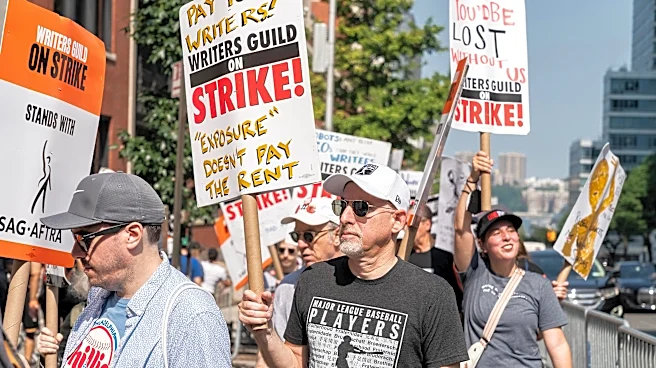
While Labor Day is primarily a commemorative holiday, its observance continues to evolve. For many, it remains a day off work, often marking the end of summer with family gatherings and recreational activities. However, millions of essential workers in sectors like healthcare, public safety, hospitality, and retail continue to work on this day, underscoring the continuous nature of labor in society. Labor Day parades and festivals, such as the Tri-State Labor Day Parade and Family Festival in Philadelphia, continue to be held, celebrating organized labor and its ongoing role in advocating for workers' rights. These events also serve as platforms for union representatives and elected officials to address current issues facing workers, such as job protection and school closures, indicating that the spirit of advocacy and recognition for labor remains active beyond the historical context.
Beyond the Headlines
Beyond its immediate recognition of workers, Labor Day carries deeper implications for the ongoing dialogue about labor's dignity and societal value. The holiday's origins in a period of intense labor unrest highlight the ethical and social dimensions of work, emphasizing that fair treatment and safe conditions are not inherent but were hard-won through collective action. It prompts reflection on the balance between economic productivity and worker well-being. The continued celebration, even as the nature of work changes with technological advancements, underscores the enduring need to value human labor. It also serves as a cultural touchstone, reminding society that the prosperity and strength of the nation are fundamentally built upon the contributions of its diverse workforce, fostering a sense of gratitude and respect for all forms of labor.