



What's Happening?
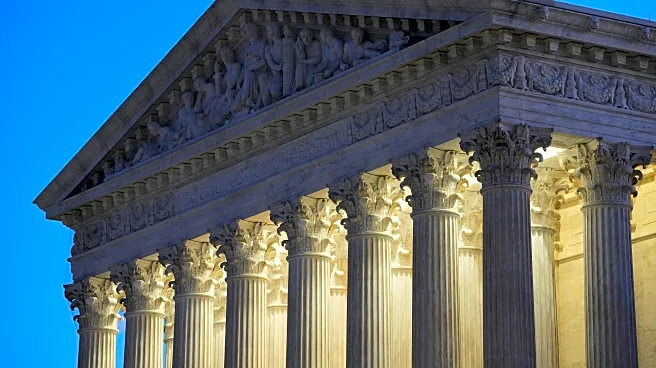
The Supreme Court is set to debate the legality of President Donald Trump's executive order that seeks to limit automatic birthright citizenship in the United States. The order, signed on the first day of Trump's second term, directs federal agencies
not to recognize the citizenship of babies born in the U.S. if neither parent is a citizen or lawful permanent resident. The case challenges the traditional interpretation of the 14th Amendment, which grants citizenship to all persons born or naturalized in the U.S. and subject to its jurisdiction. The order has been blocked by lower courts, but if upheld, it could affect the legal status of approximately 255,000 babies born in the U.S. each year.
Why It's Important?
The executive order could redefine the concept of citizenship in the United States, impacting the lives of millions of individuals born in the country. If the Supreme Court upholds the order, it could lead to a significant shift in U.S. immigration policy, potentially affecting the rights and privileges of those affected. This decision could also influence future legislative actions and political debates surrounding immigration and citizenship. The case highlights the ongoing tension between executive power and constitutional interpretation, with potential ramifications for U.S. society and its demographic composition.
What's Next?
The Supreme Court's ruling is expected by the end of June or early July, and it will likely have significant implications for U.S. immigration law and policy. If the court upholds the executive order, it could lead to further legal challenges and legislative actions aimed at redefining citizenship laws. Political leaders, civil rights organizations, and immigrant advocacy groups are closely monitoring the case, as its outcome could set a precedent for future immigration policies and debates. The decision will be a critical test of President Trump's second-term immigration agenda.