




What's Happening?
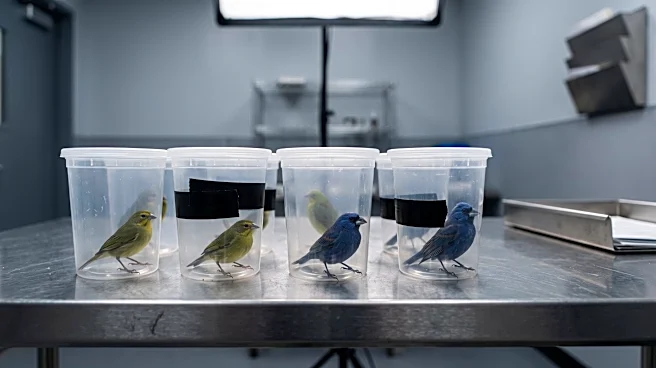
Alberto Hernandez Castillo, a legal permanent resident of the United States, was apprehended at Miami International Airport after U.S. Customs and Border Protection (CBP) officers discovered 10 live birds concealed in his underwear. Castillo arrived on a flight
from Havana, Cuba, on October 4. CBP officers noticed an 'unexplained bulge' around his waist and pelvic area during an inspection, despite Castillo having signed a customs declaration stating he was not bringing animals or wildlife into the U.S. A pat-down revealed six clear cylindrical containers, wrapped in tape and tucked into black pockets sewn into his underwear, each holding live birds. The birds were preliminarily identified as eight yellow-faced grassquits and two blue grosbeaks. Castillo allegedly told authorities the birds were for 'personal use' before invoking his right to remain silent. Records indicate he had not filed the necessary documentation for legal wildlife importation.
Why It's Important?
This incident highlights the ongoing challenges faced by U.S. Customs and Border Protection in preventing the illegal importation of wildlife, which poses significant risks to national biosecurity and conservation efforts. Smuggling live animals can introduce diseases that threaten domestic animal populations, agriculture, and even human health. Furthermore, the illegal wildlife trade contributes to the endangerment of species and disrupts ecosystems. The method of concealment, involving custom-sewn pockets in underwear, demonstrates the sophisticated and often desperate measures individuals take to bypass regulations. This case underscores the critical role of vigilant customs inspections at ports of entry to protect the country from ecological and economic harm, as well as to combat international wildlife trafficking networks.
What's Next?
Alberto Hernandez Castillo has been charged with smuggling goods into the United States. He is scheduled to appear in court on October 26, with a recommended $25,000 personal surety bond. The legal proceedings will determine the full extent of his culpability and the penalties he will face, which could include fines and imprisonment. The confiscated birds will likely be placed under the care of wildlife authorities, who will assess their health and determine their fate, which could involve quarantine, rehabilitation, or placement in appropriate facilities. This incident may also prompt increased scrutiny and enhanced screening measures at airports, particularly for flights originating from regions known for wildlife trafficking, to deter similar attempts in the future.
Beyond the Headlines
Beyond the immediate legal consequences for Alberto Hernandez Castillo, this event sheds light on the broader, often hidden, world of illegal wildlife trade. The demand for exotic birds, whether for pets, breeding, or other purposes, drives a lucrative black market that exploits vulnerable species and undermines international conservation efforts. The use of live animals in such smuggling operations also raises ethical concerns about animal welfare, as the conditions of transport are often inhumane and result in high mortality rates. This case serves as a stark reminder of the interconnectedness of global ecosystems and the potential for human actions, even seemingly small ones, to have far-reaching environmental and public health consequences. It also highlights the need for continued public awareness and international cooperation to combat this illicit trade effectively.