








What's Happening?
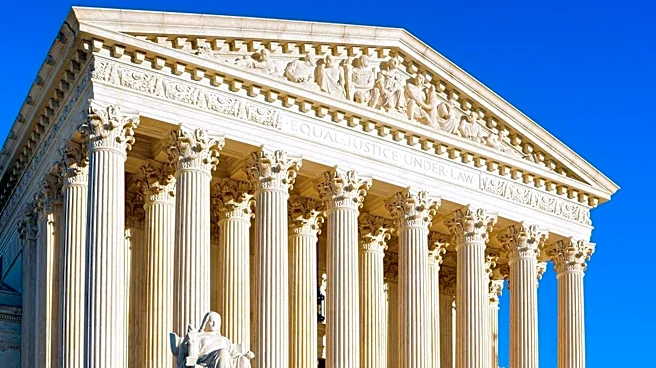
The U.S. Supreme Court has declined to intervene in a case involving former Fox News reporter Catherine Herridge, who faces an $800 daily fine for refusing to disclose a confidential source. The case stems from Herridge's reporting on Yanping Chen, a Chinese-American
scientist investigated by the FBI but never charged. The Supreme Court's decision leaves in place a lower court's ruling that Herridge must pay the fine for civil contempt. Chief Justice John Roberts had previously imposed a temporary stay on the fine, but the Court ultimately denied Herridge's motion to stay the fine. Justice Brett Kavanaugh supported granting the motion. The case has raised concerns among journalists and legal advocates about the potential chilling effect on investigative reporting and source protection.
Why It's Important?
The Supreme Court's decision is significant as it underscores the ongoing tension between the legal system and journalistic practices, particularly the protection of confidential sources. This ruling could have a chilling effect on investigative journalism, as it may deter sources from coming forward with information that could expose government misconduct or other significant issues. The decision also highlights the challenges journalists face in protecting their sources while adhering to legal obligations. Media organizations and advocates argue that such rulings undermine the First Amendment rights of journalists and the free flow of information to the public. The case is closely watched as it could set a precedent for future legal battles involving source protection and journalistic confidentiality.
What's Next?
The case may prompt further legal challenges and discussions about the balance between press freedom and legal accountability. Media organizations and legal advocates may seek alternative legal avenues to protect journalists from similar penalties in the future. The ruling could also lead to increased advocacy for stronger legal protections for journalists and their sources. Additionally, the decision may influence how journalists approach source protection and confidentiality in their reporting, potentially leading to more cautious practices in investigative journalism.