






What's Happening?
Aging is a natural and inevitable process that affects the human body, accelerating with age. According to information from Tam Anh International General Hospital, this process involves the gradual weakening and reduced efficiency of organ structures
and functions. Beyond intrinsic biological changes, external factors such as genetics, lifestyle choices (e.g., smoking, alcohol abuse), and environmental elements (e.g., ultraviolet rays, air pollution) significantly influence the rate of aging. For women, hormonal changes like pregnancy and menopause also play a substantial role. The effects of aging are widespread, impacting the cardiovascular system by making the heart work harder and blood vessels harden, increasing the risk of hypertension, stroke, and heart attack. Vision also weakens, leading to dry eyes, strain, blurred vision, and presbyopia. Additionally, cartilage in joints thins, and connective tissues become more brittle, resulting in stiffer joints and limited movement.
Why It's Important?
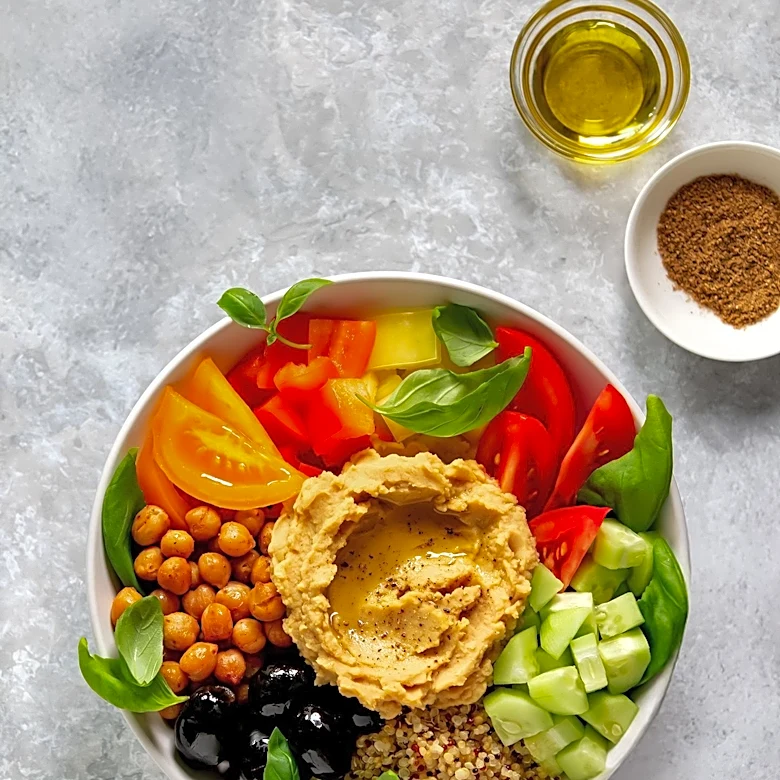
Understanding the multifaceted impact of aging is crucial for public health initiatives and individual well-being in the U.S. As the population ages, the prevalence of age-related health issues like cardiovascular diseases, vision impairment, and joint problems is expected to rise, placing increased demands on healthcare systems. Recognizing the influence of lifestyle and environmental factors empowers individuals to make informed choices that can potentially slow down the aging process and mitigate its negative effects. Promoting healthy diets, rich in flavonoids found in foods like apples, berries, and dark chocolate, can help protect cells from damage and reduce oxidative stress and inflammation. This knowledge can guide public health campaigns aimed at fostering healthier aging, potentially reducing the burden of chronic diseases and improving the quality of life for older Americans.
What's Next?
The emphasis on healthy habits, particularly diet, as a means to slow aging suggests a continued focus on preventive healthcare strategies. Future efforts may involve more targeted nutritional guidance and public education campaigns to highlight the benefits of flavonoid-rich foods and balanced diets. Research into the specific mechanisms by which diet influences aging and disease progression is likely to expand, potentially leading to more precise dietary recommendations. Healthcare providers may increasingly incorporate discussions about lifestyle modifications, including diet and exercise, into routine check-ups for aging patients. Furthermore, the insights into the biological processes of aging could spur pharmaceutical research into interventions that target cellular damage and organ function decline, aiming to develop treatments that address the root causes of age-related health issues.
Beyond the Headlines
The discussion of aging extends beyond physical health to encompass broader societal implications. The concept that aging is not merely a passive decline but a process influenced by controllable factors challenges ageist stereotypes and promotes a more proactive approach to longevity. This perspective can foster a culture where healthy aging is seen as an achievable goal, encouraging investment in wellness programs and accessible resources for older adults. The link between diet and aging also highlights the importance of food security and access to nutritious options for all demographics, as socioeconomic disparities can impact dietary quality and, consequently, the aging process. Addressing these systemic issues could lead to more equitable health outcomes across the aging U.S. population.