





What's Happening?
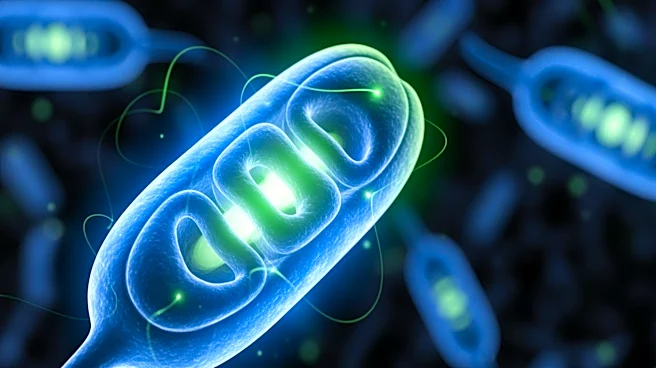
A study from St. Jude Children’s Research Hospital has revealed a new method to enhance cancer immunotherapy by restoring mitochondrial function in dendritic cells. Published in Science, the research shows that tumors impair dendritic cells' ability to activate
the immune system by reducing their mitochondrial activity. By boosting this activity, researchers were able to restore the cells' function and improve antitumor immunity. In preclinical models, combining enhanced dendritic cells with immune checkpoint blockade significantly slowed tumor growth and extended survival. This approach also demonstrated long-term immune memory, preventing new tumor growth in treated mice.
Why It's Important?
This discovery addresses a critical challenge in cancer treatment: the limited effectiveness of immunotherapies in certain cancers. By focusing on the metabolic reprogramming of dendritic cells, the study offers a novel strategy to enhance the immune system's ability to fight cancer. The findings could lead to more effective and durable cancer treatments, improving outcomes for patients who do not respond to current therapies. This research underscores the importance of understanding the tumor microenvironment and its impact on immune cells, potentially leading to breakthroughs in the development of next-generation immunotherapies.
What's Next?
Further research is needed to translate these findings into clinical applications. The team at St. Jude plans to explore the potential of this approach in human trials, aiming to develop therapies that can be integrated with existing cancer treatments. Understanding the signaling pathways involved in dendritic cell reprogramming will be crucial for optimizing this strategy. If successful, this approach could be applied to a wide range of cancers, offering a new avenue for enhancing the efficacy of immunotherapies. The study's insights into mitochondrial function and immune regulation may also inspire similar research in other areas of cancer biology.