





What's Happening?
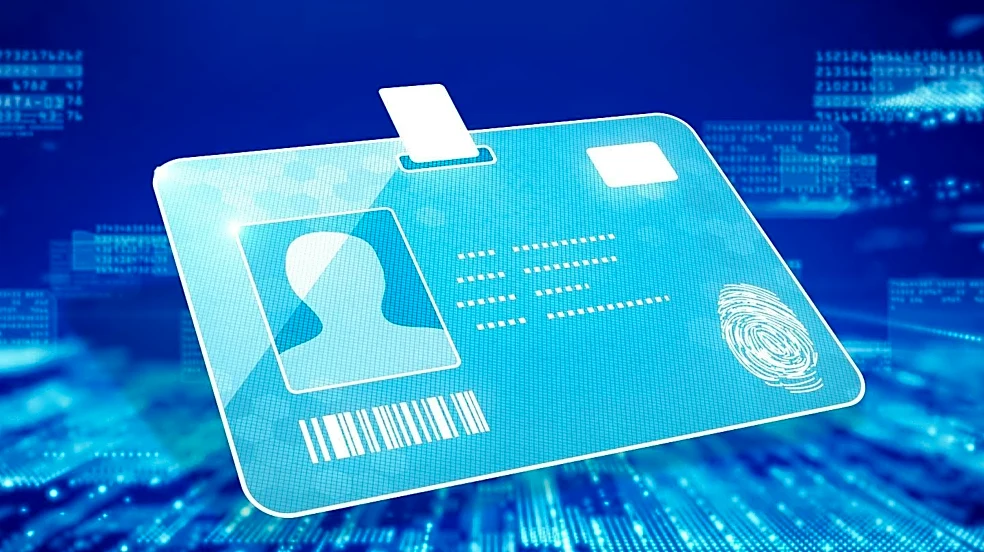
The U.S. Department of Homeland Security (DHS) is conducting the Remote Identity Validation Rally (RIVR) program to independently evaluate the effectiveness of commercial identity document verification software. This program aims to measure how well these
systems can distinguish between genuine and fraudulent identity documents, particularly when using smartphone images. DHS assembles both authentic and counterfeit documents, photographs them with various smartphones under controlled conditions, and then tests commercial verification systems against these images. The RIVR program focuses on document validation, selfie-to-document matching, and liveness detection. A previous evaluation, the Remote Identity Validation Technology Demonstration (RIVTD) in 2023, revealed high error rates in document verification, prompting the need for more independent data. The current RIVR evaluation uses state-issued IDs and aims to establish a baseline for performance before introducing more complex real-world variables like poor lighting. DHS collects genuine IDs from volunteers and fraudulent documents from Homeland Security Investigations and CBP, some of which are highly convincing and cost as little as $50-$100 to produce.
Why It's Important?
The RIVR program is crucial for enhancing national security and combating identity fraud in the U.S. The increasing sophistication of fraudulent documents, some of which are difficult for even experts to discern, poses a significant threat to various sectors, including government services, financial institutions, and border security. By independently testing and measuring the error rates of commercial identity verification software, DHS provides valuable insights to buyers and vendors. This helps organizations make informed decisions when selecting verification systems, ultimately strengthening their defenses against fraud. High error rates in identity verification can lead to significant financial losses, compromise sensitive data, and undermine public trust in digital identity processes. The program's findings can drive improvements in technology, ensuring that verification systems can keep pace with evolving fraud techniques, including those enabled by generative AI. This initiative is vital for protecting individuals from identity theft and ensuring the integrity of systems that rely on verified identities.
What's Next?
DHS plans to expand the RIVR methodology for RIVR 2, which will incorporate newer smartphones, a larger collection of genuine and fraudulent state-issued IDs, and international passports. The inclusion of passports will introduce the challenge of cryptographically verifiable chips, though DHS will continue to test optical features, acknowledging that fraudsters may present passports with unreadable or disabled chips. The department is also actively monitoring the emergence of sophisticated attacks, particularly those facilitated by generative AI, to inform the evolution of future testing protocols. Furthermore, DHS is exploring the potential of mobile driver's licenses (mDLs) and other verifiable digital credentials, which offer cryptographically verifiable information unlike simple smartphone photographs of physical IDs. For vendors, the RIVR program offers an opportunity to test their technology against a government-curated dataset, identify weaknesses, and improve their systems. Buyers can use the results to select top-performing solutions and contact DHS for introductions to companies behind specific results.
Beyond the Headlines
The RIVR program highlights a fundamental tension between security and accessibility in identity verification. While advanced systems are needed to combat sophisticated fraud, the reliance on smartphone cameras and the varying quality of state-issued IDs can create accessibility challenges for individuals with older or lower-end devices. This raises questions about equitable access to services that require identity verification. The program also underscores the limitations of current technology, as smartphone cameras cannot capture all security features present in physical documents, such as ultraviolet and infrared elements. The variability in performance across different smartphones and state-issued IDs suggests a need for more standardized and robust document design, as well as more adaptable verification software. The anonymity offered to participating vendors in RIVR reflects a pragmatic approach to fostering innovation, allowing companies to improve their products without immediate public scrutiny of potential shortcomings. This initiative is not just about technology; it's about building a more secure and trustworthy digital ecosystem for all U.S. citizens.