







What's Happening?
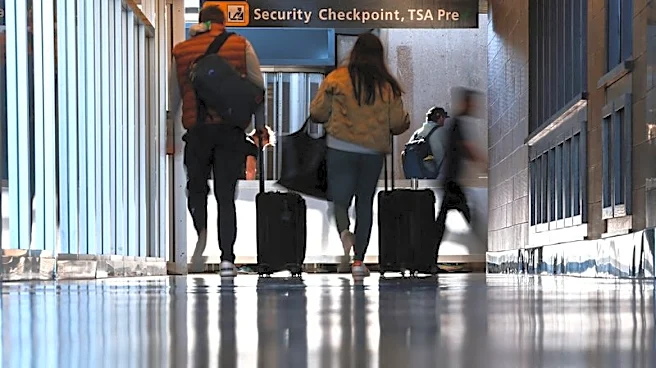
The United States has implemented strict travel restrictions on American travelers exposed to Ebola and hantavirus, raising concerns about potential legal rights infringements and the impact on volunteer efforts in global health crises. The restrictions prevent
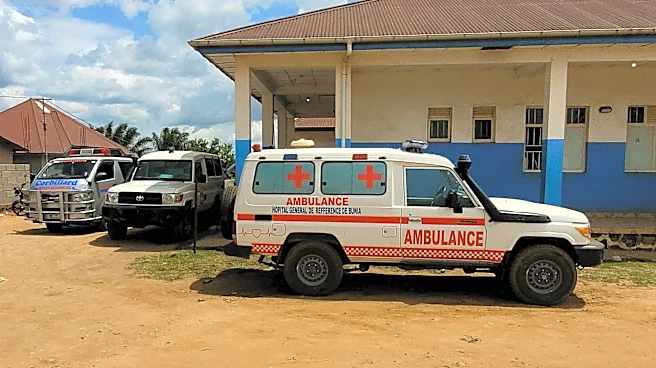
an American doctor and six others exposed to Ebola from returning home, instead relocating them to Germany and the Czech Republic for treatment. This decision, according to Satish Pillai of the CDC, was made due to the need for rapid action and existing international relationships. The move has sparked debate over the legality of such restrictions, as US citizens and green card holders have a legal right to return home. The policy has also raised fears that it could deter volunteers from participating in future public health responses, as the possibility of being unable to return home may discourage participation.
Why It's Important?
The travel restrictions highlight a significant tension between public health measures and individual rights. By potentially infringing on the legal rights of US citizens to return home, the policy could set a precedent that affects future public health responses. The decision not to repatriate exposed individuals to the US, despite the country's advanced biocontainment facilities, may undermine confidence in the government's ability to manage health crises effectively. Furthermore, the policy could have a chilling effect on volunteerism, which is crucial for managing outbreaks. If volunteers fear being stranded abroad, fewer may be willing to assist in international health emergencies, potentially exacerbating the spread of diseases and increasing global health risks.
What's Next?
The situation may prompt legal challenges from those affected by the travel restrictions, as individuals seek to assert their right to return home. Additionally, public health officials and policymakers may need to reassess the balance between necessary health measures and individual rights to ensure compliance with global health law principles. The US government may also face pressure to clarify its policies and provide assurances to potential volunteers that their rights will be protected. This could involve revisiting quarantine protocols and considering less restrictive measures that still achieve public health objectives.
Beyond the Headlines
The travel restrictions raise broader ethical questions about the responsibilities of governments to protect public health while respecting individual freedoms. The decision to relocate exposed individuals to foreign countries rather than utilizing domestic facilities may reflect broader geopolitical considerations and international relationships. This approach could influence future international collaborations in health crises, as countries negotiate the terms of cooperation and support. Additionally, the policy may prompt discussions about the adequacy of current public health infrastructure and the need for investment in domestic capabilities to handle such crises independently.