








What's Happening?
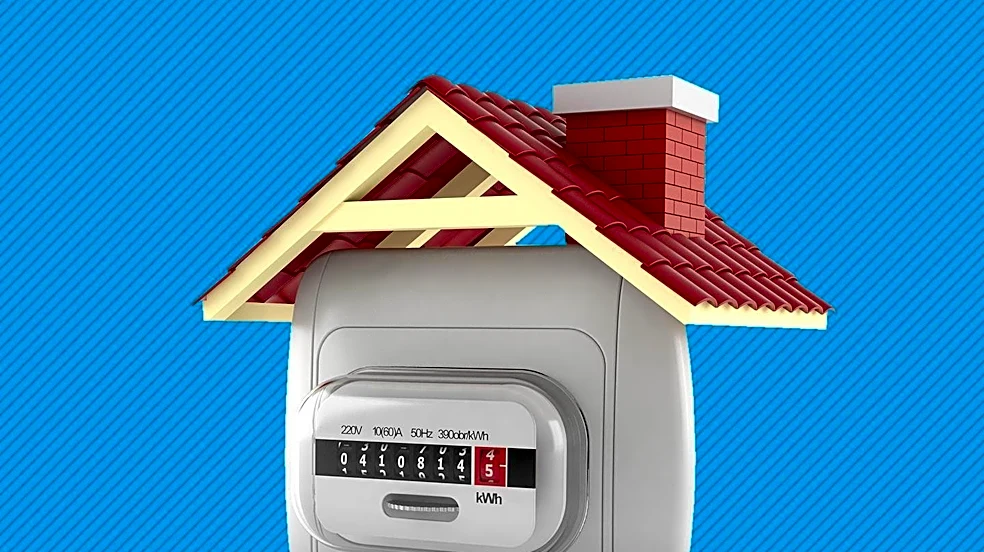
U.S. consumers are increasingly relying on tools like the federal EnergyGuide label and ENERGY STAR certification to identify and compare energy-efficient appliances. These labels provide crucial information, with EnergyGuide offering estimated energy consumption
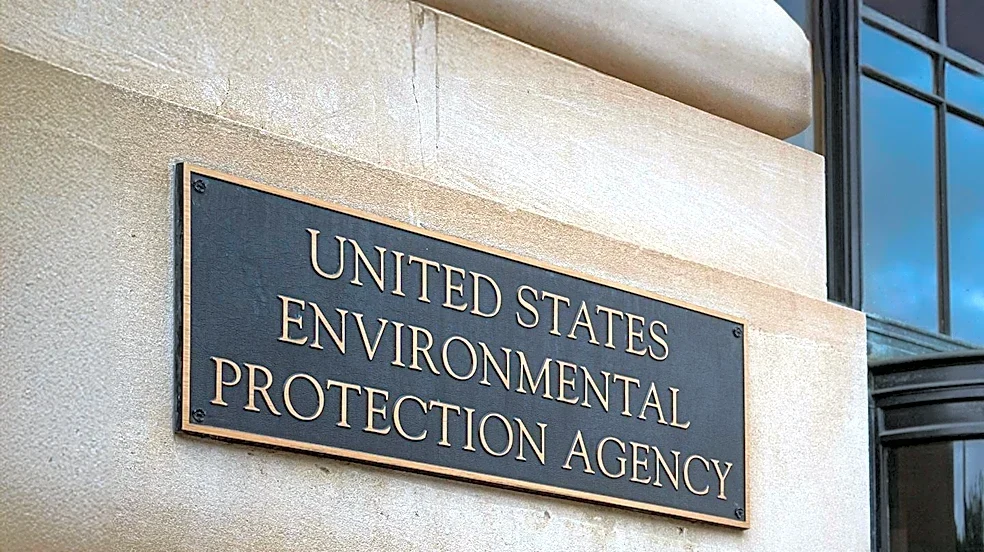
and annual operating costs for comparison among similar models. ENERGY STAR, established by the U.S. Environmental Protection Agency, identifies products that meet specific energy-efficiency standards across various residential categories, including refrigerators, clothes washers, dryers, dishwashers, and water heaters. The distinction is important: EnergyGuide helps compare consumption, while ENERGY STAR certifies high-efficiency products. For example, ENERGY STAR certified refrigerators are approximately 9% more efficient than models meeting only federal minimum standards. The source highlights that while efficiency is key, factors such as appliance size, technology, frequency of use, local utility rates, and household habits also influence actual energy savings. GE Profile appliances, for instance, are noted as being ENERGY STAR certified.
Why It's Important?
The widespread adoption and utilization of EnergyGuide labels and ENERGY STAR certification are vital for U.S. households and the broader economy. These programs empower consumers to make informed purchasing decisions, leading to reduced energy consumption and lower utility bills. This directly impacts household budgets, freeing up disposable income. From an environmental perspective, the shift towards more efficient appliances contributes to a reduction in overall energy demand, lessening the strain on power grids and potentially decreasing reliance on fossil fuels for electricity generation. This aligns with national goals for energy independence and climate change mitigation. For manufacturers, these certifications create a competitive market for energy-efficient products, driving innovation in appliance technology. The emphasis on efficiency also supports the longevity of appliances and promotes sustainable consumption patterns, benefiting both individual consumers and the national energy infrastructure.
What's Next?
The continued emphasis on energy efficiency in U.S. appliances suggests a future where these certifications will become even more integral to consumer purchasing decisions and product development. Manufacturers are likely to continue innovating to meet and exceed ENERGY STAR standards, potentially leading to even more advanced and efficient technologies. Consumers can expect to see a broader range of certified products and potentially new categories added to the ENERGY STAR program. Furthermore, government and utility programs may continue to offer incentives and rebates for purchasing energy-efficient appliances, further encouraging their adoption. The focus will also likely expand beyond just the appliance itself to include how it integrates into a larger energy-efficient home system, considering factors like smart home technology and demand-response capabilities. Educational initiatives will remain crucial to help consumers understand the nuances of efficiency beyond just the initial purchase price.
Beyond the Headlines
The push for energy-efficient appliances extends beyond immediate cost savings and environmental benefits, touching upon deeper societal and technological shifts. Ethically, it promotes responsible resource consumption and contributes to a more sustainable future for coming generations. Technologically, it drives advancements in materials science, compressor design, and heat-pump systems, fostering innovation across various engineering disciplines. Culturally, it encourages a greater awareness of energy usage in daily life, potentially leading to more conscious consumption habits in other areas. The integration of smart technology into appliances, allowing for optimized energy use based on real-time data and user patterns, represents a significant long-term shift. This evolution could lead to a more resilient and flexible energy grid, capable of adapting to fluctuating demand and renewable energy sources. Ultimately, the widespread adoption of energy-efficient appliances is a cornerstone of a broader movement towards a more sustainable and technologically advanced society.