




What's Happening?
President Donald Trump's approval rating on inflation has reached a record low, according to a recent poll by Strength In Numbers in collaboration with Verasight. The survey indicates that Trump's net approval rating on inflation has dropped to -47 in May,
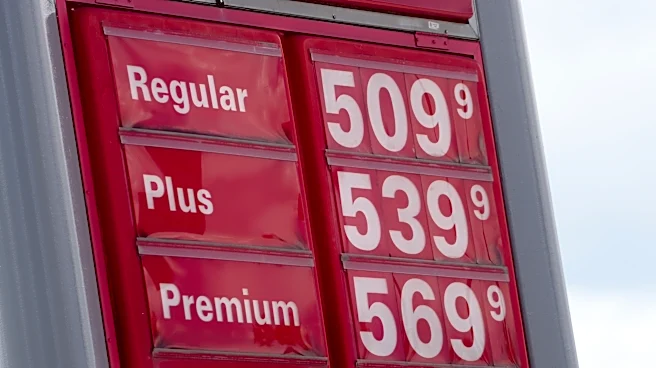
down from -31 in January. Only 25% of Americans approve of his handling of inflation, while 72% disapprove, with 57% expressing strong disapproval. This decline in approval comes as Americans face rising costs for essentials like food and gasoline, exacerbated by ongoing tensions in the Middle East. The poll also highlights that inflation has emerged as the top concern for voters, with a majority identifying rising prices as the most pressing issue facing the country. Trump's overall approval rating has remained negative throughout 2026, with a net approval of -23 in May.
Why It's Important?
The declining approval ratings for President Trump, particularly on inflation, could have significant political implications as the U.S. approaches midterm elections. Inflation and rising costs are critical issues for voters, and dissatisfaction with the administration's handling of these matters could impact Republican prospects in upcoming elections. The economic perceptions of voters, especially regarding inflation and household costs, are strong indicators of political performance. With the midterms approaching, continued voter dissatisfaction over prices and affordability could present a growing challenge for the administration. The White House has defended Trump's economic agenda, citing resilience and a proven track record, but the current economic climate poses a substantial hurdle.
What's Next?
As the midterm elections draw closer, the administration may need to address voter concerns about inflation and rising costs more effectively to mitigate potential political fallout. The White House may continue to emphasize its economic agenda, including tax cuts and deregulation, as a means to reassure voters. However, the ongoing economic challenges, particularly those related to inflation, will likely remain a focal point for both the administration and its political opponents. The administration's ability to navigate these issues could significantly influence the political landscape in the coming months.