







What's Happening?
The Alaska Department of Law launched an investigation in January into grocery pricing practices, aiming to ensure fair and accurate pricing, encourage voluntary compliance, and identify systemic issues that may require enforcement actions. This investigation comes
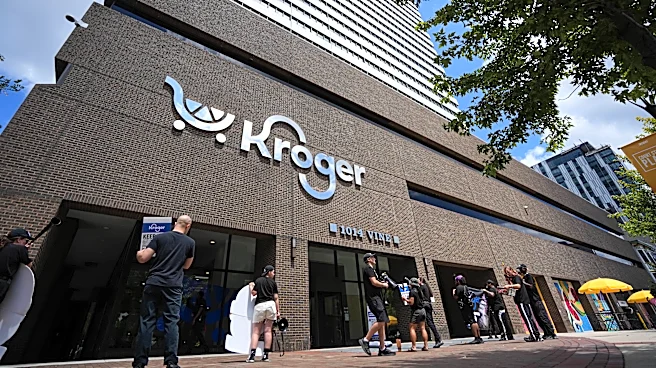
as major grocery companies, including Kroger (Fred Meyer), Albertsons (Carrs Safeway), and Walmart, have transitioned to electronic price tags, enabling them to change prices digitally. Watchdog groups express concerns that these companies, leveraging data collected through loyalty programs, could implement 'dynamic pricing' or 'surveillance pricing,' where individual shoppers might pay different prices for the same goods based on AI and algorithms. While these companies deny using consumer data unfairly, a Walmart patent for a system that could raise the price of mayo when tuna is added to a cart, and Kroger's lucrative side business of selling shopper data, raise questions about the ethical implications of these practices. Seattle recently banned dynamic pricing, and a number of states are exploring ways to regulate it.
Why It's Important?
The investigation by the Alaska Department of Law into grocery pricing practices is critically important for consumer protection and market fairness, especially in a state where grocery costs are among the highest in the nation. The potential for 'dynamic pricing' based on individual shopper data raises significant ethical and economic concerns. If implemented, it could lead to discriminatory pricing, where consumers are charged different amounts for the same product based on their perceived willingness or ability to pay, rather than market forces. This practice could disproportionately affect vulnerable populations and erode consumer trust. The shift to electronic price tags, while efficient for retailers, facilitates this potential for real-time price adjustments, making it harder for consumers to compare prices effectively. The outcome of Alaska's investigation could set a precedent for how other states address the intersection of technology, data privacy, and fair pricing in the retail sector.
What's Next?
The Alaska Department of Law's investigation will continue to examine grocery pricing practices, including whether dynamic pricing is being employed and its impact on consumers. The department has been asked to clarify if it is specifically looking into dynamic pricing. The findings of this investigation could lead to new regulations, enforcement actions against companies found to be engaging in unfair practices, or recommendations for legislative changes. Consumers are encouraged to remain vigilant about pricing and to question their Assembly persons or legislators about their stance on these issues. The ongoing debate around data privacy, personalized pricing, and the role of AI in retail is likely to intensify, potentially leading to more states considering bans or regulations similar to Seattle's. The actions of watchdog groups and consumer reports will also continue to play a crucial role in bringing transparency to these practices and advocating for consumer rights.
Beyond the Headlines
The issue of dynamic pricing in grocery stores delves into the complex ethical landscape of data utilization and artificial intelligence in commerce. Beyond the immediate financial impact on consumers, the practice raises fundamental questions about privacy, algorithmic bias, and the nature of a fair market. If retailers can leverage personal data to optimize prices for individual shoppers, it could create a two-tiered system where those with less data literacy or economic power are disadvantaged. This scenario challenges the traditional understanding of a transparent marketplace where prices are generally uniform for all customers. The investigation in Alaska, alongside actions in other states and by consumer groups, highlights a growing societal concern about the unchecked power of algorithms and data in shaping economic realities. It underscores the urgent need for robust regulatory frameworks that protect consumer interests while allowing for technological innovation in retail.