






What's Happening?
NASA's Artemis II mission has set a new record for the farthest distance traveled by a manned space mission. The Orion spacecraft, launched on April 1 from Kennedy Space Center, has traveled over 248,655 miles from Earth, surpassing the previous record set by Apollo
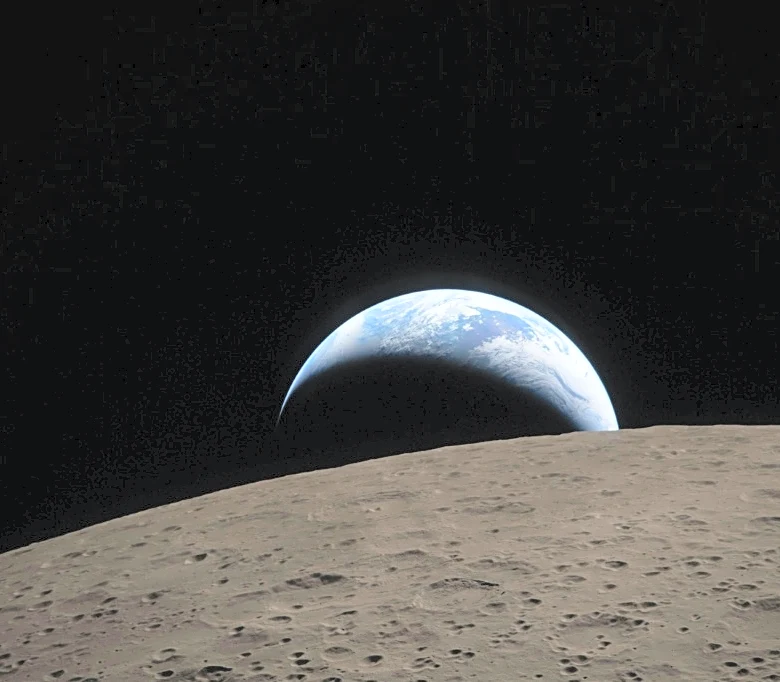
13 in 1970. The mission includes NASA astronauts Reid Wiseman, Victor Glover, Christina Koch, and Canadian Space Agency astronaut Jeremy Hansen. The crew is conducting a lunar flyby, coming within 4,070 miles of the Moon's surface, and capturing images of the Moon's far side. The mission aims to pave the way for future lunar exploration and the establishment of a Moon Base.
Why It's Important?
The Artemis II mission represents a significant milestone in human space exploration, demonstrating NASA's commitment to returning humans to the Moon and establishing a sustainable presence. The mission's success in breaking previous distance records highlights advancements in space travel technology and international collaboration. The data and experiences gained from this mission will inform future lunar missions, including plans to establish a permanent Moon Base. This endeavor not only fuels scientific discovery but also inspires future generations to pursue careers in space exploration and technology.
What's Next?
The Artemis II mission is scheduled to conclude with a splashdown off the coast of San Diego on April 10. As the mission progresses, NASA will continue to monitor and analyze the data collected, which will be crucial for planning subsequent Artemis missions. The establishment of a Moon Base is a long-term goal, requiring continued international collaboration and technological innovation. NASA's commitment to lunar exploration is expected to drive advancements in space technology and foster new partnerships in the global space community.