







What's Happening?
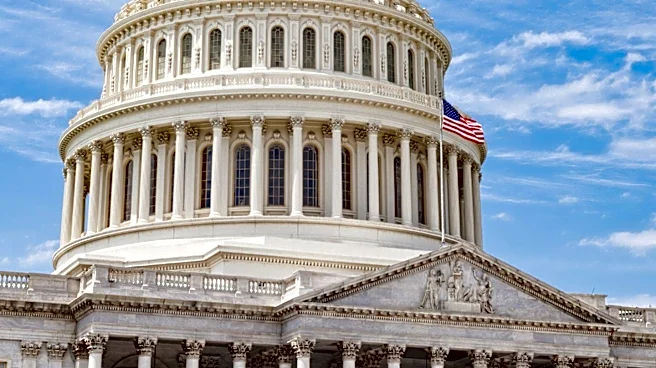
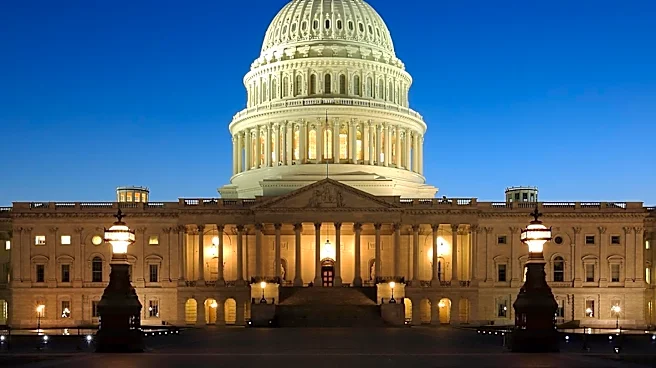
The U.S. House of Representatives has passed the AM Radio for Every Vehicle Act, a bipartisan piece of legislation aimed at ensuring all new passenger vehicles include AM radio capabilities as a standard feature. The bill, which cleared the House in a voice
vote, mandates that the Department of Transportation (DOT) issue a rule requiring AM radio in all new passenger vehicles manufactured in or imported into the U.S. without an additional fee. U.S. Rep. Lizzie Fletcher (D-TX) spoke in favor of the legislation, emphasizing the critical role of AM broadcast stations in providing emergency information during severe weather events and other disasters. These stations are specifically designed to withstand major disruptions and serve as primary entry points for the nation’s emergency alert system, with the Federal Emergency Management Agency (FEMA) investing millions annually to maintain their readiness. The legislation comes as some automakers have begun removing AM radio from new models, particularly electric vehicles, raising concerns about public safety and access to vital information.
Why It's Important?
This legislation is important because it addresses a growing concern about public safety and access to critical information, particularly during emergencies. AM radio serves as a vital lifeline when other communication methods, such as cell service and electricity, are unavailable. U.S. Rep. Gus Bilirakis (R-FL), a sponsor of the bill, highlighted that many people rely on their car radios for information during national or natural disasters. The removal of AM radio from vehicles by some manufacturers could leave individuals vulnerable by eliminating a key emergency communication tool. Beyond emergencies, AM radio is a popular medium for millions of Americans to access local and national news, sports, and entertainment. It also provides essential information to agricultural communities, including weather updates and crop reports. Furthermore, AM stations serve diverse communities with in-language, religious, and niche programming, making their continued accessibility crucial for a broad spectrum of the U.S. population.
What's Next?
The AM Radio for Every Vehicle Act now moves to the U.S. Senate for consideration. If passed into law, the Department of Transportation will be required to issue a rule mandating AM radio capabilities in all new passenger vehicles. The legislation also grants the DOT authority to assess civil penalties for violations and allows the Department of Justice to take civil action to enjoin non-compliance. This authority for the DOT would expire 10 years after the bill's enactment. Additionally, the bill calls for the Government Accountability Office (GAO) to conduct a study and report on the dissemination of emergency alerts to the public, including an assessment of AM broadcast stations relative to other Integrated Public Alert and Warning System (IPAWS) communication technologies. U.S. Sen. Ted Cruz (R-TX), a cosponsor of the Senate version, has expressed his commitment to working with his Senate colleagues to ensure its passage.
Beyond the Headlines
The debate over AM radio in new vehicles extends beyond immediate emergency preparedness to touch upon broader issues of technological evolution, consumer choice, and the role of traditional media in a digital age. While modern vehicles increasingly integrate advanced infotainment systems, the legislation underscores a recognition that newer technologies may not always offer the same resilience or universal accessibility as older ones, especially during widespread infrastructure failures. This move could set a precedent for future legislative interventions aimed at preserving legacy technologies deemed essential for public good, even as industries push for innovation and cost-cutting measures. It also highlights the ongoing challenge of balancing technological progress with societal needs, particularly for vulnerable populations and those in rural areas where AM radio often remains a primary source of information. The bill's passage could influence how automakers design future vehicles, potentially leading to a re-evaluation of standard features based on public safety and accessibility rather than solely on market trends or technological advancements.