





What's Happening?
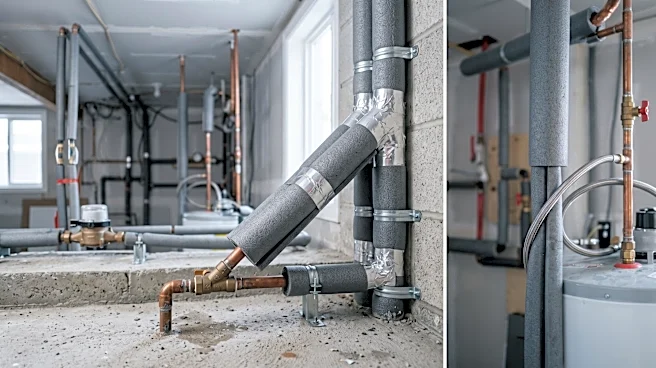
Utility officials in the Triad region are urging residents to take proactive measures to prevent frozen pipes and potential water damage as colder weather approaches. Key recommendations include disconnecting and draining outdoor hoses, insulating exposed
pipes and faucets, and identifying the main water shutoff valve in homes for emergency use. For customers with separate irrigation meters, officials suggest requesting a winter pause through CityLink. Residents are also cautioned against attempting to open smart meter boxes. During periods of extreme cold, specifically when temperatures drop to 20 degrees Fahrenheit or below, officials advise allowing indoor faucets to drip slowly to maintain water flow and prevent freezing. City officials emphasize the importance of not delaying these protective actions until temperatures have already plummeted, highlighting that early preparation is crucial for safeguarding homes and businesses. A Winston-Salem business owner has confirmed they are already implementing these preparatory steps.
Why It's Important?
The advisory from Triad utility officials is crucial for public safety and economic stability, particularly for homeowners and businesses. Frozen and burst pipes can lead to significant water damage, resulting in costly repairs, insurance claims, and potential displacement for residents. For businesses, such incidents can cause operational disruptions and financial losses. By issuing these warnings and providing clear preventative measures, utility officials aim to mitigate widespread damage and reduce the burden on emergency services during cold snaps. This proactive approach also highlights the importance of community resilience in the face of predictable weather challenges. The emphasis on early action underscores the economic impact of deferred maintenance and the potential strain on local resources if many properties experience pipe-related issues simultaneously. It also serves as a reminder of the interconnectedness of infrastructure and individual responsibility in maintaining community well-being.
What's Next?
As colder temperatures become more prevalent, residents are expected to follow the recommendations provided by utility officials. This will likely involve purchasing insulation materials, disconnecting hoses, and familiarizing themselves with their home's water shutoff valve. Utility companies and local authorities may continue to issue reminders and public service announcements as weather conditions change. In the event of severe cold, there could be an increase in calls to plumbers and emergency services for burst pipes, despite the warnings. The effectiveness of these preventative measures will be evident in the number of reported incidents of frozen pipes throughout the winter season. Local hardware stores and home improvement centers may see an increase in demand for pipe insulation and related winterizing products. The long-term impact could be a greater public awareness and preparedness for winter weather challenges in the Triad region.
Beyond the Headlines
Beyond the immediate practical advice, this advisory reflects a broader societal need for preparedness and resilience in the face of environmental challenges. It highlights the vulnerability of urban infrastructure to natural elements and the importance of public education in mitigating risks. The call for individual action, such as insulating pipes, underscores a shift towards shared responsibility between public utilities and citizens in maintaining community well-being. This situation also subtly touches upon economic disparities, as not all residents may have the resources or knowledge to adequately prepare their homes, potentially leading to disproportionate impacts on vulnerable populations. Furthermore, it emphasizes the role of local government and utility providers in not just delivering services, but also in educating and empowering their constituents to protect their assets and ensure safety during adverse weather conditions. This proactive communication strategy is a key component of modern urban planning and disaster preparedness.