






What's Happening?
The Board of Immigration Appeals (BIA) has issued a precedent decision, Matter of G-R-B-, 30 I&N Dec. 102 (BIA 2026), which allows Immigration Judges to pretermit applications for asylum and withholding of removal without an evidentiary hearing and without a motion
from the Department of Homeland Security (DHS). Pretermission means the application is disposed of, typically denied, based solely on the paper record, without the applicant testifying, witnesses being called, or cross-examination occurring. This decision builds on Matter of H-A-A-V-, 29 I&N Dec. 233 (BIA 2025), which established that an evidentiary hearing is not required if an application does not present a prima facie claim. Matter of G-R-B- clarifies that an Immigration Judge can exercise this authority on their own initiative (sua sponte). The case involved a Mexican national whose applications were pretermitted because the paper record did not sufficiently allege past harm, a well-founded fear of future persecution based on race or a particular social group, or evidence of torture. The BIA rejected arguments that the judge should have further developed the record or that a DHS motion was necessary for pretermission.
Why It's Important?
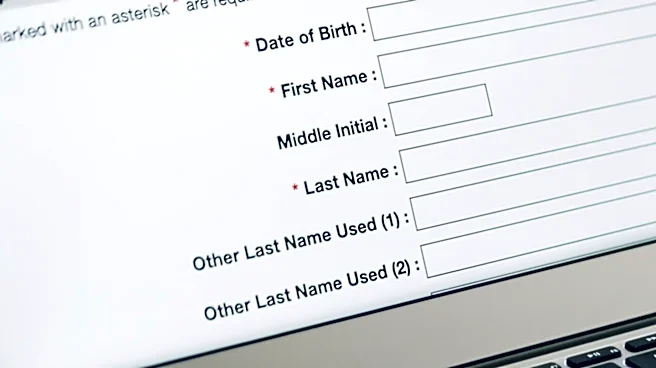
This BIA decision significantly alters the asylum process, placing a greater burden on applicants to submit comprehensive and legally sound applications from the outset. The traditional practice of developing details through testimony at a hearing is now less reliable, as cases can be dismissed based solely on the initial paperwork. This change particularly impacts pro se applicants or those with limited access to legal counsel, who may lack the expertise to draft applications that meet the stringent prima facie requirements for social group formulation, nexus arguments, and specificity of persecution claims. The decision could lead to an increase in denials for applications deemed insufficient on paper, potentially reducing the number of individuals who receive an opportunity to present their full case. It also raises concerns about access to justice, as applicants who cannot articulate their claims perfectly in writing may lose the chance to tell their story, even if their claims are valid.
What's Next?
Asylum applicants and their legal representatives must now prioritize the meticulous drafting of initial applications, ensuring every element of their claim is clearly articulated and supported by comprehensive documentary evidence. Attorneys are advised to treat applications as if they will be judged solely on the paper record, developing social group formulations carefully, including detailed nexus arguments, and attaching all relevant evidence at the filing stage. For those whose applications have been pretermitted, immediate retention of experienced immigration counsel is crucial to navigate the narrow windows for administrative appeal and potential federal court review. The decision does not eliminate the availability of asylum or change substantive standards, but it fundamentally shifts the procedural landscape, making the initial application a critical gatekeeper for further proceedings. The long-term impact on asylum approval rates and the backlog of cases remains to be seen, but increased scrutiny at the initial stage is anticipated.
Beyond the Headlines
The BIA's expanded pretermission authority highlights a broader trend in immigration law towards more stringent procedural requirements and a greater emphasis on the initial written submission. This shift could exacerbate existing inequalities within the immigration system, disproportionately affecting vulnerable populations who may not have the resources or legal literacy to meet these heightened demands. The decision implicitly redefines the role of the Immigration Judge, transforming them into a more active 'threshold gatekeeper' who can dismiss cases before a full evidentiary hearing. This raises ethical questions about due process and the right to be heard, particularly for individuals fleeing persecution who may struggle to present their complex narratives in a formal legal document. The long-term implications could include a more adversarial asylum process, increased reliance on legal aid for initial application drafting, and potential challenges to the fairness of the system in federal courts.