
What's Happening?
In Sevastopol, a city in the temporarily occupied Crimean Peninsula, supermarkets have begun capping the purchase of essential goods such as cooking oil and pasta. This development comes as a result of ongoing
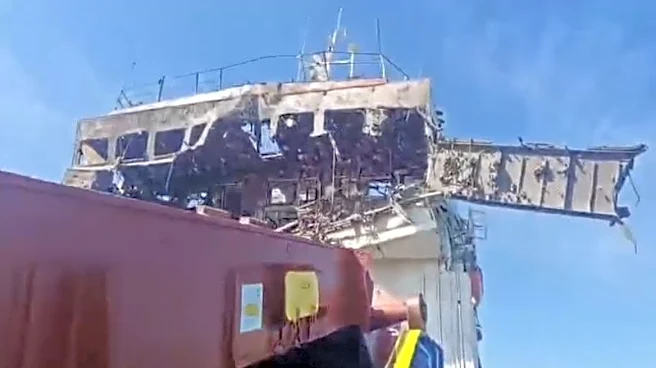
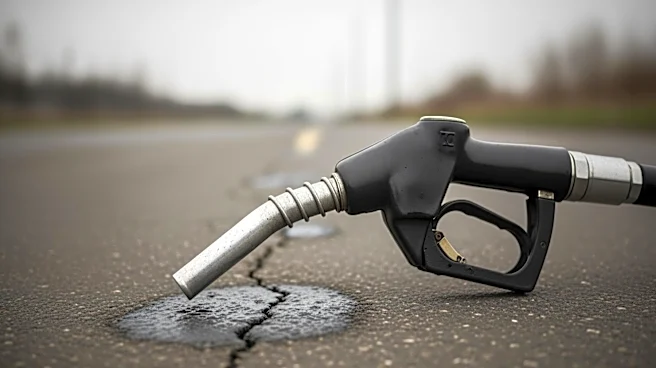
logistical disruptions that have severely impacted the region's supply chains. The crisis, which began in late May, has led to the introduction of a 20-liter purchase limit on gasoline and a coupon system for diesel. These measures were implemented following intensified efforts by Ukraine to disrupt Russian logistics, including strikes on oil refineries and transport routes. By early June, the situation worsened, with local authorities halting the open sale of fuel at major gas stations, reserving supplies for emergency services only. Residents now face a return to a Soviet-style distribution economy, with basic resources becoming increasingly scarce.
Why It's Important?
The logistical crisis in Sevastopol highlights the broader impact of the ongoing conflict between Russia and Ukraine on civilian life. The restrictions on essential goods and fuel are not only affecting residents' daily lives but also have significant economic implications. The tourism and retail sectors are particularly hard hit, as rising transport costs and fuel shortages deter visitors and disrupt the supply of goods. This situation underscores the vulnerability of occupied regions to supply chain disruptions and the potential for prolonged economic hardship. The crisis also reflects the strategic importance of logistics in modern warfare, where targeting supply lines can have far-reaching consequences for both military operations and civilian populations.
What's Next?
As the situation in Sevastopol and the wider Crimean Peninsula continues to evolve, further measures may be implemented to manage the shortages. Local authorities might introduce additional rationing systems or seek alternative supply routes to alleviate the crisis. The ongoing conflict suggests that disruptions could persist, potentially leading to more severe economic and social challenges. Stakeholders, including local governments and international organizations, may need to coordinate efforts to address the humanitarian needs arising from these shortages. The response from the international community could also play a role in shaping the future of the region's supply chains and economic stability.