
What's Happening?
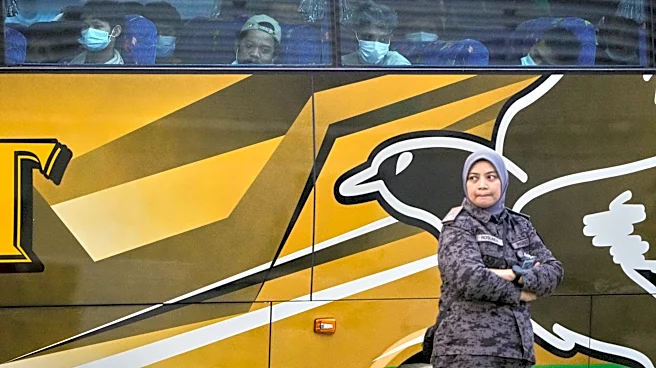
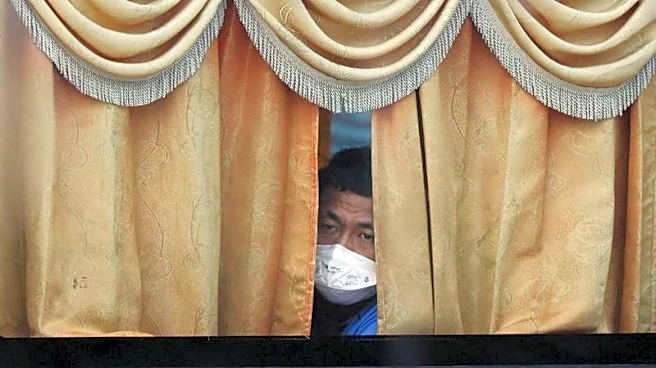
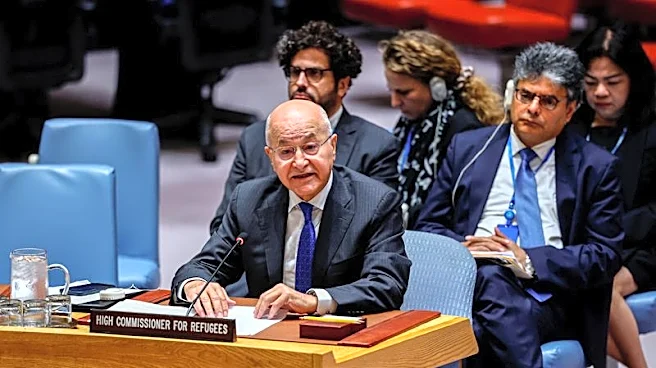
The UNHCR Assistant High Commissioner for Protection, Edem Wosornu, has expressed concern over the return of Myanmar nationals from Malaysia, highlighting that some individuals may require international
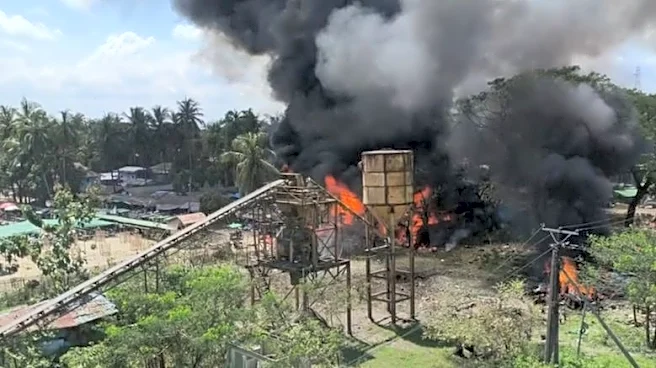
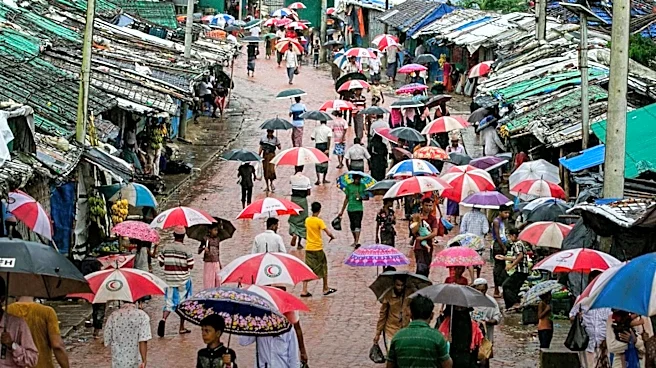
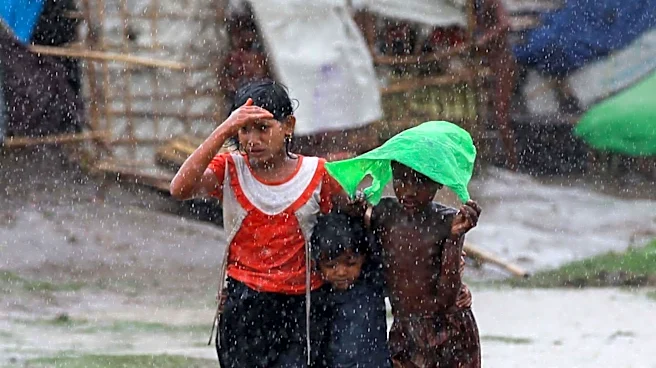
protection. These returns occurred despite Malaysian authorities stating the process was voluntary, as those returned had been held in immigration detention. The UNHCR did not have access to these individuals to assess if their decisions to return were genuinely free and informed. The Rohingya, a Muslim ethnic minority from Myanmar, have been repeatedly targeted by Myanmar's military, which seized power in a 2021 coup. A significant military operation in 2017 in Rakhine state forced hundreds of thousands to flee, with over a million now settled in Cox’s Bazar, Bangladesh. The UN's top humanitarian, Emergency Relief Coordinator Tom Fletcher, also condemned a recent airstrike on a market in Rakhine state that resulted in dozens of casualties, emphasizing the need to protect civilians and respect international humanitarian law. UN Secretary-General António Guterres has also condemned the airstrike and called for accountability.
Why It's Important?
This situation underscores the critical challenges faced by refugees and asylum seekers globally, particularly those fleeing conflict and persecution. The UNHCR's inability to access detained individuals before their return raises serious questions about the voluntariness of such repatriations and adherence to international protection standards. For the U.S. and other nations, this highlights the ongoing humanitarian crisis in Myanmar and the broader Indo-Pacific region, which could lead to increased calls for international intervention or aid. The targeting of the Rohingya community and the recent airstrike in Rakhine state demonstrate the continued instability and human rights abuses within Myanmar, potentially influencing U.S. foreign policy and sanctions against the military regime. The lack of robust safeguards for returning refugees could set a dangerous precedent, undermining international efforts to protect vulnerable populations and placing individuals at risk of further persecution, torture, or threats to their lives and freedom.
What's Next?
The UNHCR is urging Malaysian authorities to implement robust safeguards for returns, including individual assessments and access to protection procedures, ensuring decisions are voluntary and made outside detention settings. The agency stresses that until conditions in Myanmar allow for safe, dignified, and sustainable returns, states must continue to provide asylum access and uphold international protection obligations. There will likely be continued calls for greater regional and international support to achieve a political solution and end hostilities in Myanmar. The international community, including the U.S., may face pressure to increase diplomatic efforts and humanitarian aid to address the ongoing crisis. Investigations into the airstrike in Rakhine state are expected, with calls for those responsible to be held accountable, potentially leading to further international condemnation and sanctions against the Myanmar military.
Beyond the Headlines
The situation in Myanmar and the repatriation of refugees from Malaysia reveal deeper ethical and legal implications concerning state sovereignty versus international human rights obligations. The lack of UNHCR access to detainees before their return highlights a potential gap in international oversight and protection mechanisms, raising questions about the true voluntariness of such decisions. This could lead to a re-evaluation of how host countries manage asylum and migration, particularly when dealing with populations fleeing severe conflict and persecution. The ongoing civil war and targeting of ethnic minorities in Myanmar also underscore the long-term shifts in regional stability and the potential for prolonged humanitarian crises. The international community's response, or lack thereof, to these events could influence future refugee policies and the enforcement of international humanitarian law, shaping global norms for protecting vulnerable populations in conflict zones.