
What's Happening?
Cheyenne, Wyoming, is currently experiencing unseasonably warm temperatures, with an air mass intensifying across southeast Wyoming. By Monday, high temperatures are projected to be nearly 20 degrees above
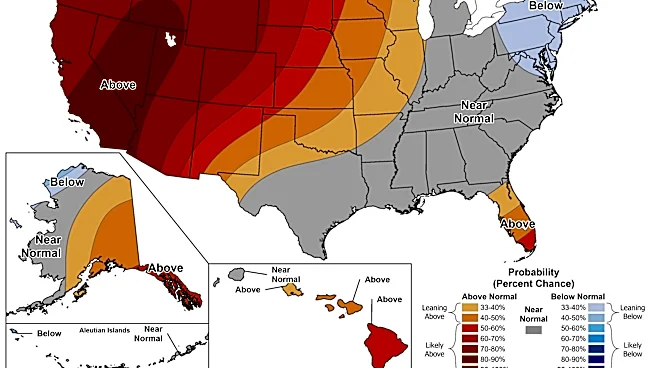
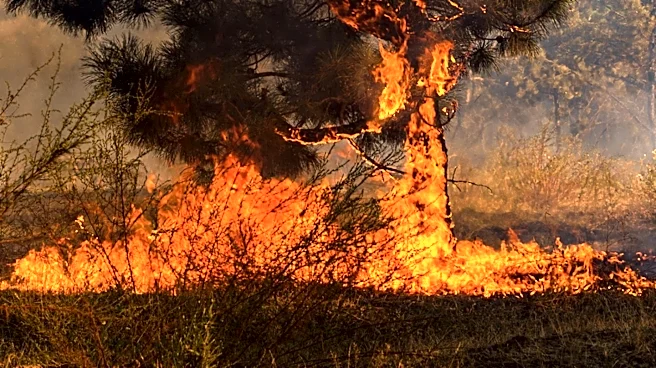
the normal for early October, potentially reaching the mid-to-upper 80s and nearing 90 degrees in some areas. This heat puts several long-standing local temperature records at risk. Alongside the elevated temperatures, relative humidity levels are expected to drop into the low to mid-teens during the afternoon. The combination of low humidity, high heat, and breezy conditions is raising critical fire weather concerns, particularly in areas west of Interstate 25 and along the Laramie Range. Forecasters from the National Weather Service in Cheyenne attribute these conditions to a high-pressure system anchored over the Four Corners region, which is maintaining mild weather and minimal cloud cover.
Why It's Important?
The unseasonable heat and critical fire weather risks pose significant threats to public safety and natural resources in Cheyenne and the surrounding Laramie County. Elevated temperatures can lead to increased heat-related illnesses, especially for vulnerable populations. More critically, the combination of low humidity and breezy conditions creates an environment highly susceptible to wildfires. This heightened fire danger can result in rapid fire spread, threatening homes, infrastructure, and natural habitats. Local emergency services and fire departments will likely be on high alert, potentially straining resources. The dry conditions also impact agriculture and water resources, which are vital to the region's economy. Residents are urged to exercise extreme caution to prevent accidental fires, as even small sparks could escalate into major incidents.
What's Next?
The unseasonably warm and dry conditions are expected to persist through the weekend and into the upcoming week. The ridge of high pressure will slightly flatten mid-week, but daytime temperatures will consistently remain in the 70s and 80s through Friday. Relative humidity levels are anticipated to stay in the upper teens to low 20s, maintaining an elevated fire weather risk across the region. Virtually no precipitation is expected during this period. Residents should continue to monitor weather advisories and adhere to any fire restrictions or warnings issued by local authorities. Emergency services will likely remain vigilant, and public awareness campaigns regarding fire prevention may be intensified to mitigate potential risks.
Beyond the Headlines
The prolonged period of unseasonable heat and elevated fire risk in early October highlights broader concerns about changing climate patterns and their impact on local weather phenomena. Such events can lead to a longer and more intense fire season, extending beyond traditional periods. This has long-term implications for ecosystem health, air quality, and the economic stability of communities reliant on tourism and agriculture. The increased frequency and severity of these weather events could necessitate significant investments in fire management resources, infrastructure protection, and public education on climate resilience. It also underscores the importance of regional cooperation in addressing environmental challenges that transcend state borders, as weather systems like the high-pressure ridge over the Four Corners region can influence vast areas.