
What's Happening?
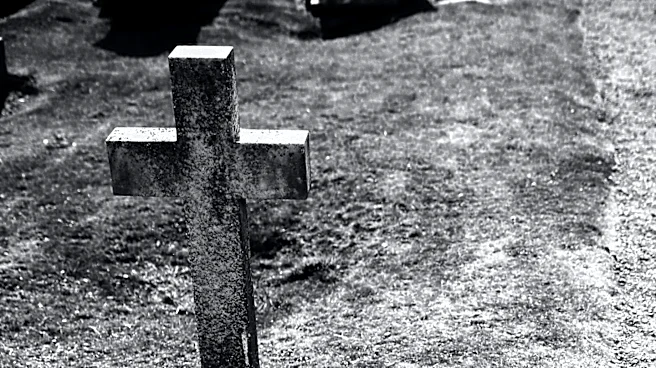
The historical relocation of graves from Oakdale Cemetery, Wilson, North Carolina's first black public cemetery, to Rest Haven Cemetery in 1941, is being re-examined through the discovery of pre-1933 gravestones in Rest Haven. The city moved the graves due
to the establishment of Rest Haven, but no official records detailing who was disinterred, reinterred, or their new locations have survived. However, a cluster of seven gravestones in Row E, Section 1 of Rest Haven Cemetery bears dates predating Rest Haven's establishment in 1933. While some of these burials might have originated from other cemeteries like Rountree or Odd Fellows, it is highly probable that most were originally from Oakdale. Notable individuals identified among these gravestones include Osborn Dunstan (died 1905), Mariah Dunstan (died 1896), Tommie Johnson (died 1902), Dewey L. Barnes (died 1912), Milby Hadley (died 1905), and Maggie Towe (died 1899). Census records from 1900 for Wilson, Wilson County, provide additional context for some of these individuals, such as mail carrier Thomas Johnson and fireman Mack Barnes.
Why It's Important?
This discovery is significant for the African-American community of Wilson, North Carolina, as it sheds light on a lost piece of their history and heritage. The absence of official records regarding the grave relocations has created a historical void, making it difficult for descendants to trace their ancestors' final resting places. The identification of these gravestones in Rest Haven provides tangible evidence of the individuals who were likely moved from Oakdale, offering a crucial link to the past. This effort helps to restore a sense of identity and continuity for families whose ancestral burial sites were displaced. It also underscores the broader challenges faced by communities in preserving historical records, particularly those pertaining to marginalized populations, and the importance of grassroots efforts in uncovering and documenting such histories.
What's Next?
Further investigation into the remaining sections of Rest Haven Cemetery may reveal more gravestones from Oakdale, potentially leading to the identification of additional individuals and their original burial locations. Researchers and community members are likely to continue their efforts to cross-reference these findings with other historical documents, such as church records, death certificates, and family histories, to reconstruct a more complete picture of the Oakdale Cemetery population. This ongoing work could lead to the creation of a comprehensive, unofficial record of the relocated graves, providing invaluable genealogical and historical resources. The findings may also prompt discussions about the importance of maintaining thorough records during such municipal projects and the ethical responsibilities of preserving historical sites.
Beyond the Headlines
The story of Oakdale Cemetery and its unrecorded relocation highlights deeper issues concerning historical memory, racial equity, and the preservation of cultural heritage in the United States. The lack of documentation surrounding the disinterment and reinterment of African-American graves reflects a historical pattern of neglect and marginalization of black communities. This situation underscores the importance of community-led initiatives in reclaiming and preserving narratives that might otherwise be lost. The effort to identify these graves is not just about historical accuracy; it is about honoring the lives of those buried and acknowledging their contributions to the community. It also serves as a powerful reminder of the need for greater diligence and respect in handling the remains and histories of all citizens, particularly those from historically underserved populations, ensuring that their legacies are not erased.