





What's Happening?
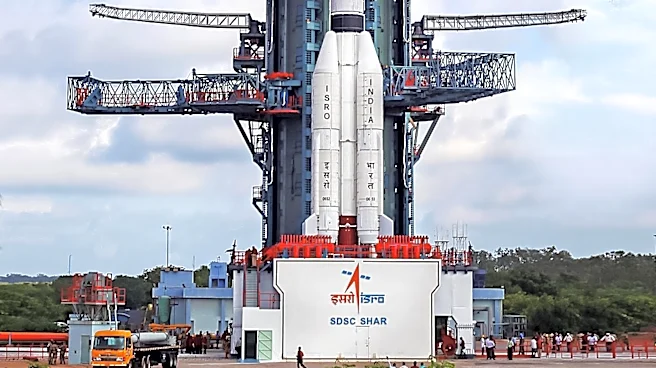
India's space regulator, IN-SPACe, has introduced a comprehensive framework for the re-entry of space objects, marking the country's first set of rules for planned atmospheric re-entry. This development comes shortly after Skyroot Aerospace's Vikram-1
mission, which made India the third country to have a private company place payloads into orbit. The new regulations are timely, as Agnikul Cosmos, a Chennai-based startup, is preparing for Mission-02. This mission aims to recover an orbital-class rocket booster through controlled ocean descent and repurpose the upper stage as a functional in-orbit platform. The rules require prior authorization for any re-entry, a casualty risk assessment, and impose strict liability for any damage caused during re-entry operations.
Why It's Important?
The introduction of these re-entry rules is significant for India's burgeoning private space sector, which is poised for substantial growth. By aligning with international standards, such as the U.S. Federal Aviation Administration's casualty risk threshold, India is positioning itself as a competitive player in the global space industry. The rules provide a clear regulatory pathway for private companies like Agnikul Cosmos, encouraging innovation and investment in space technologies. This regulatory clarity is crucial for attracting foreign investment and partnerships, as it ensures that private space activities are conducted safely and responsibly.
What's Next?
Agnikul Cosmos must now secure IN-SPACe's re-entry authorization for Mission-02, which includes conducting a detailed Expected Casualty analysis and obtaining necessary notifications for aviation and maritime authorities. The mission's success could pave the way for more frequent and economically viable space missions in India. Additionally, the pending Space Activities Bill, which would provide statutory authority to IN-SPACe, remains a critical piece of legislation that could further solidify India's regulatory framework for private space activities.
Beyond the Headlines
The new re-entry rules highlight the growing role of private companies in India's space sector, which has traditionally been dominated by government agencies. This shift reflects a broader trend towards commercialization and privatization in the global space industry. The rules also underscore the importance of international collaboration and compliance with global standards, as India seeks to expand its presence in the space economy. The successful implementation of these regulations could enhance India's reputation as a reliable partner in international space endeavors.