


What's Happening?
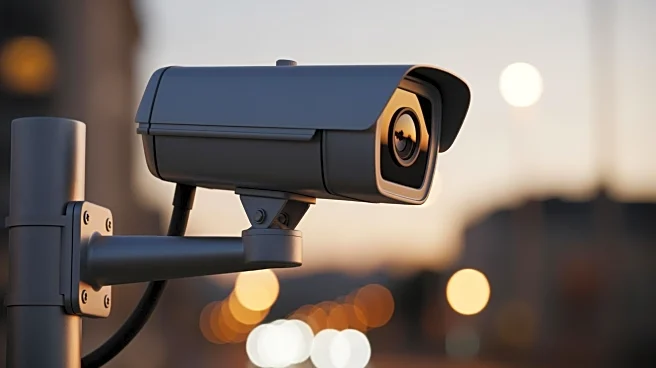
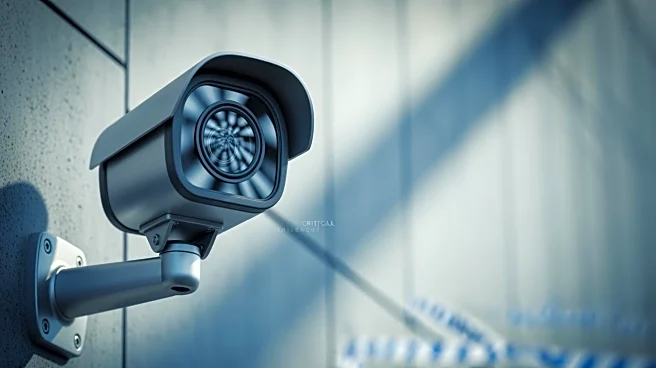
A watchdog group in Joplin, Missouri, has raised concerns about the use of FlockSafety cameras by the Joplin Police Department. Michael Williams, a local resident and member of the group 'Deflock Joplin,' has questioned the necessity and privacy implications
of these cameras, which record license plate numbers and vehicle details. Williams discovered unusual activity in the Flock system logs, leading to an internal investigation by the Joplin Police Department. This investigation revealed misuse of the license plate reader system by a police officer, who is no longer employed. The department has requested an independent investigation by the Missouri State Highway Patrol to determine if any criminal violations occurred.
Why It's Important?
The use of FlockSafety cameras raises significant privacy concerns, as they can track motorists without their knowledge. The potential for misuse, as seen in Joplin, highlights the risks associated with such surveillance technologies. This situation underscores the need for strict oversight and clear policies to prevent abuse and protect citizens' privacy rights. The case also touches on broader legal implications, as a federal court recently ruled that the use of these cameras does not violate Fourth Amendment rights, provided they are used responsibly. This ruling could influence how similar technologies are deployed across the U.S.
What's Next?
The outcome of the independent investigation by the Missouri State Highway Patrol will be crucial in determining any further actions against the former officer involved in the misuse. Additionally, the Joplin Police Department may need to review and possibly revise its policies regarding the use of surveillance technologies to ensure compliance with legal standards and public trust. Other cities using Flock systems might also reassess their practices to prevent similar issues.
Beyond the Headlines
The debate over the use of surveillance technologies like Flock cameras reflects broader societal concerns about privacy and government oversight. As these technologies become more prevalent, there is a growing need for public discourse on the balance between security and privacy. The Joplin case could serve as a catalyst for such discussions, potentially influencing future legislation and public policy on surveillance.