







What's Happening?
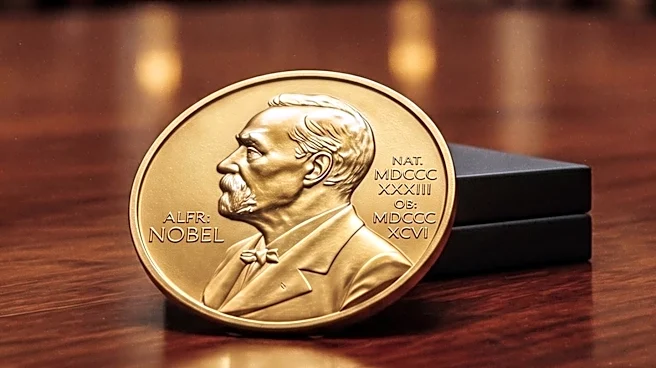
Alfred Nobel, known for inventing dynamite, established the Nobel Prizes through a four-page will signed in Paris on November 27, 1895. He passed away a year later on December 10, 1896. Nobel, who held 355 patents, amassed a significant personal fortune.
His will bequeathed 94% of his total assets, amounting to 31 million Swedish kronor (approximately £170 million today when adjusted for inflation), to create and fund the five Nobel Prizes. The will stipulated that the capital be invested in safe securities, with the annual interest distributed as prizes to those who conferred the greatest benefit on mankind in the preceding year. The interest was to be divided into five equal parts for physics, chemistry, physiology or medicine, literature, and peace. The will also emphasized that the prizes should be awarded without regard to nationality, ensuring the worthiest person receives the award. Despite the will's significance, it did not establish the Nobel Foundation directly; instead, it directed his executors to invest his estate and distribute the income as annual prizes. The Foundation was subsequently created by his executors in June 1900, approximately four and a half years after his death, due to administrative challenges, including a sprawling international estate and family disputes. The first Nobel Prizes were awarded on December 10, 1901, exactly five years after Nobel's passing.
Why It's Important?
Alfred Nobel's will created one of the most prestigious and globally recognized awards, profoundly impacting scientific research, literature, and peace efforts. The establishment of the Nobel Prizes has fostered a culture of excellence and innovation across various fields, encouraging groundbreaking discoveries and significant contributions to humanity. The prizes provide substantial recognition and financial support to laureates, often enabling further research and work. The emphasis on awarding individuals regardless of nationality promotes international collaboration and acknowledges universal human achievement, transcending political and geographical boundaries. The legacy of the Nobel Prizes continues to inspire generations of scientists, writers, and peace advocates, shaping the trajectory of human progress and addressing critical global challenges. The rigorous selection process and the historical significance of the awards elevate the status of the recipients, influencing public discourse and highlighting the importance of intellectual and humanitarian endeavors. The enduring impact of Nobel's vision underscores the power of philanthropic initiatives to drive long-term societal benefit.
What's Next?
The Nobel Prizes will continue to be awarded annually, maintaining their tradition of recognizing outstanding achievements in physics, chemistry, physiology or medicine, literature, and peace. The Nobel Foundation will persist in its role of managing Nobel's estate and ensuring the prizes are distributed according to his wishes. Future laureates will continue to be selected by the designated institutions, upholding the rigorous standards and international scope established by Nobel's will. The ongoing recognition of significant contributions will likely continue to influence global research agendas, artistic expressions, and peace initiatives. The prestige associated with the Nobel Prize will ensure continued public and academic interest in the laureates' work and the fields they represent. Discussions surrounding the impact and relevance of the prizes, as well as potential adjustments to the selection process or categories, may arise, but the core mission of honoring those who have conferred the greatest benefit on mankind is expected to remain unchanged.
Beyond the Headlines
Alfred Nobel's will highlights the profound and lasting impact an individual's legacy can have on global society, even decades after their passing. The challenges faced by his executors in establishing the Nobel Foundation underscore the complexities of managing large estates and fulfilling philanthropic intentions, particularly when dealing with international assets and family disagreements. The will's specific instructions regarding the investment of capital and the distribution of prizes reflect a forward-thinking approach to ensuring the longevity and integrity of his vision. The enduring success of the Nobel Prizes also raises questions about the role of private philanthropy in shaping public good and incentivizing human achievement. The ethical considerations of wealth distribution and the power of a single individual's decisions to influence global intellectual and humanitarian pursuits are central to understanding the deeper implications of Nobel's legacy. The prizes serve as a testament to the idea that individual contributions, when properly supported and recognized, can drive collective progress and inspire future generations.