





What's Happening?
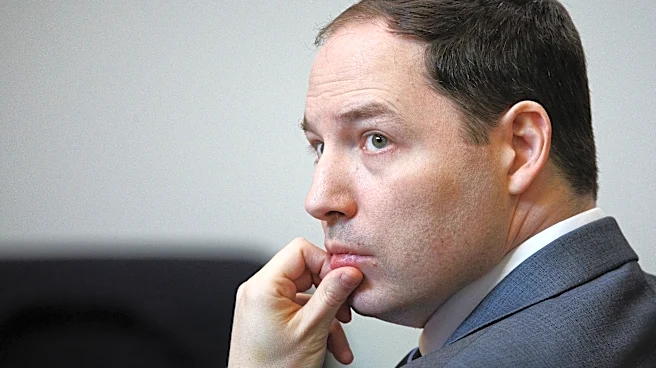
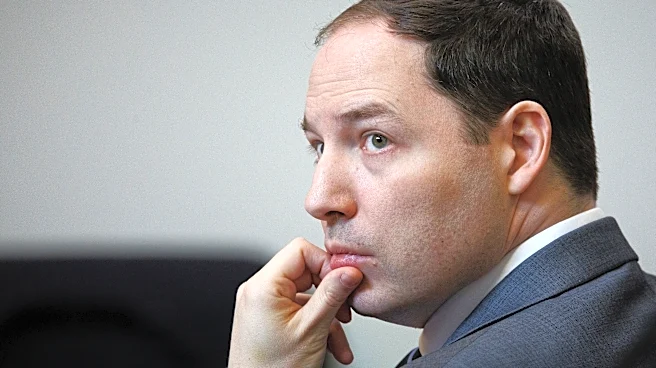
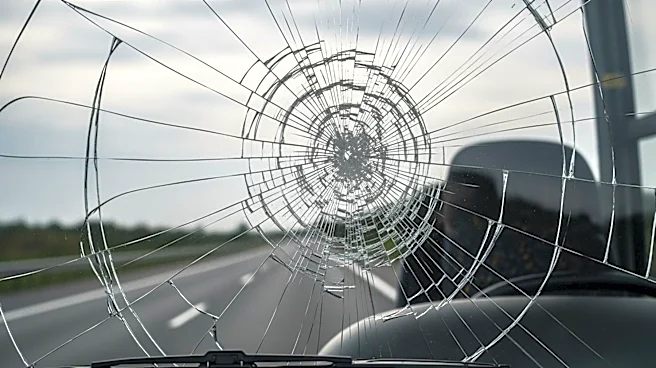
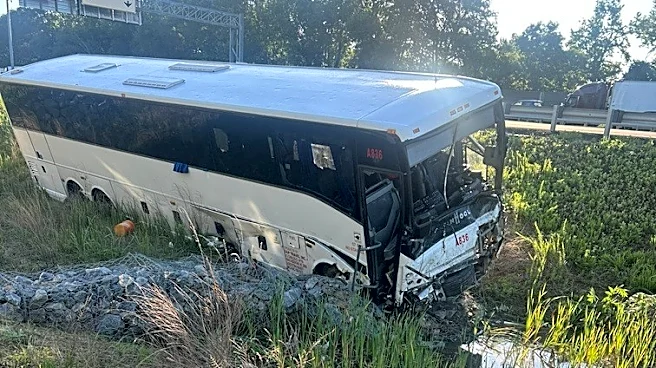
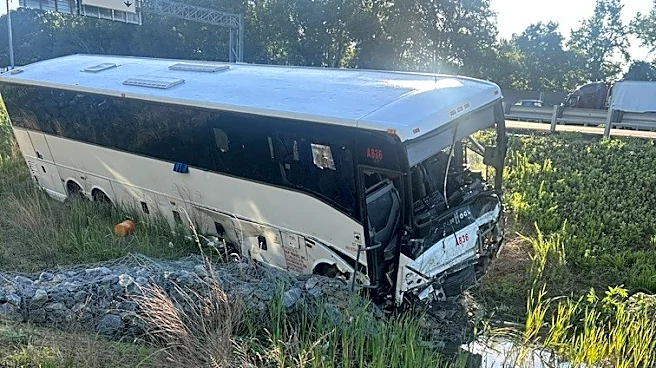
A recent bus crash in Virginia, which resulted in five fatalities and numerous injuries, has sparked scrutiny over the safety practices of the bus company involved and the broader industry. The driver, Jing Sheng Dong, faces charges of involuntary manslaughter
and reckless driving. This incident has highlighted the lack of collision-avoidance technology in commercial buses, despite longstanding recommendations from the National Transportation Safety Board (NTSB). The driver had previous speeding violations, raising questions about the enforcement of safety standards and driver qualifications. The crash occurred during a late-night trip, prompting concerns about driver fatigue and the adequacy of rest periods mandated by federal regulations.
Why It's Important?
The crash underscores significant safety gaps in the commercial bus industry, particularly regarding the implementation of advanced safety technologies and the enforcement of driver safety standards. The incident has drawn attention to the need for stricter regulations and better oversight to prevent similar tragedies. The lack of mandatory collision-avoidance systems in buses, despite NTSB recommendations, points to a broader issue of regulatory inertia and industry resistance due to cost concerns. This event could lead to increased pressure on regulators and lawmakers to prioritize passenger safety over economic considerations, potentially resulting in new legislation or regulatory changes.
What's Next?
The ongoing investigation by the NTSB and other federal agencies will likely focus on the driver's background, the bus company's safety practices, and the regulatory framework governing commercial bus operations. This could lead to recommendations for stricter enforcement of existing safety standards and the introduction of new regulations mandating advanced safety technologies in buses. The industry may face increased scrutiny and pressure to adopt voluntary safety measures to avoid further regulatory intervention. Additionally, the case may prompt a broader public and political debate about transportation safety and the balance between cost and safety in regulatory decision-making.