
What's Happening?
The White House is expected to extend the Jones Act waiver for up to 90 days to alleviate fuel price pressures linked to the Iran conflict. This waiver temporarily eases the requirement that goods transported
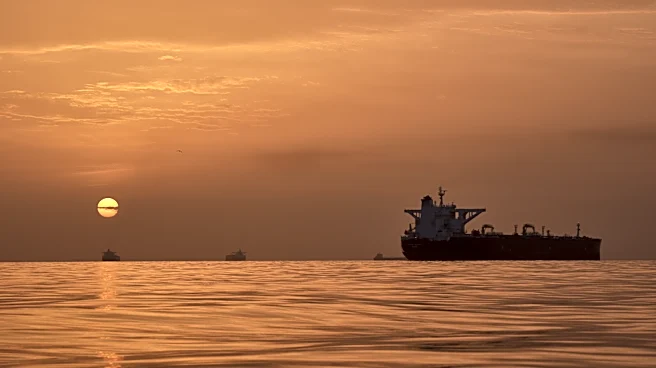
between U.S. ports be carried on American-built and American-crewed vessels, allowing foreign-flagged ships to transport fuel and other commodities more freely. The decision aims to mitigate energy market disruptions caused by tensions in the Strait of Hormuz. A foreign-flagged tanker recently delivered crude oil from Texas to a U.S. refinery under this waiver, highlighting its immediate impact on fuel logistics.
Why It's Important?
The extension of the Jones Act waiver is a strategic move to stabilize fuel prices in the U.S. amid geopolitical tensions. By allowing foreign-flagged vessels to transport goods between domestic ports, the administration seeks to increase the supply of fuel and reduce market volatility. This decision could have significant implications for the U.S. shipping industry, potentially affecting domestic shipping companies that rely on the protections offered by the Jones Act. Additionally, the move reflects the administration's broader efforts to manage the economic impact of international conflicts on domestic markets.