




What's Happening?
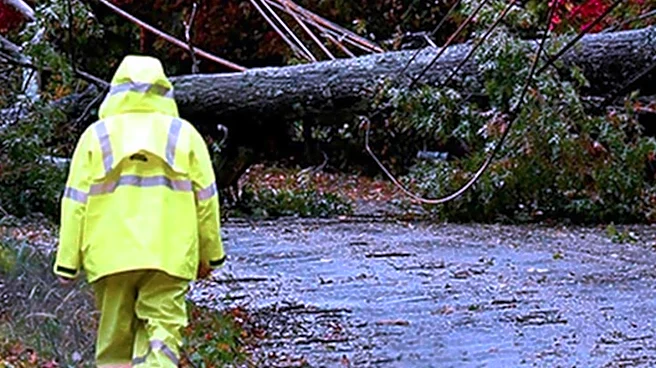
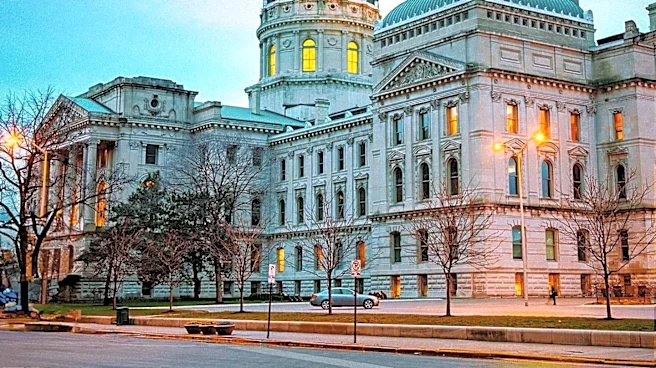
The Indiana statehouse's Interim Study Committee on Energy, Utilities, and Telecommunications is set to convene in Indianapolis to investigate the prolonged power outages that affected Northwest Indiana after an August 11 derecho. The committee will hear
presentations on extreme weather events, vegetation management, and outage response. Officials, legislators, and the public will also provide comments before the committee discusses and votes on a final report. Additionally, the committee will review annual reports from the Indiana Utility Regulatory Commission (IURC) and the Office of the Utility Consumer Counselor. State Rep. Ed Soliday, R-Valparaiso, who chairs the committee, emphasized the importance of understanding what occurred, what worked, and what needs improvement to better respond to future major storms. He previously called for an independent, third-party review of utilities' responses to power outages. The IURC has already initiated its own investigation into NIPSCO, the utility company, which has agreed to cooperate with a limited scope of the investigation.
Why It's Important?
This investigation is crucial for Indiana residents, particularly those in Northwest Indiana who experienced significant hardships due to extended power outages, some lasting weeks. The committee's findings and recommendations could lead to substantial changes in how utility companies prepare for and respond to severe weather events, potentially improving infrastructure resilience and emergency response protocols. The focus on vegetation management highlights a key area where proactive measures can mitigate the impact of storms on power lines. Furthermore, examining other states' responses to similar outages could provide valuable insights and best practices for Indiana. The involvement of the IURC and the Office of the Utility Consumer Counselor underscores the regulatory and consumer protection aspects of this issue, aiming to ensure accountability and better service for residents. The outcome could influence future utility investments, regulatory frameworks, and public safety measures across the state.
What's Next?
The Interim Study Committee on Energy, Utilities, and Telecommunications will hold its meeting in Indianapolis, where it will receive expert presentations and public input. Following these discussions, the committee will deliberate and vote on a final report, which is expected to outline findings and recommendations for improving Indiana's response to power outages. The IURC's ongoing investigation into NIPSCO will proceed concurrently, with NIPSCO having committed to cooperating within a limited scope. Potential reactions from major stakeholders include utility companies facing increased scrutiny and possibly new mandates for infrastructure upgrades and emergency preparedness. Political leaders may use the committee's report to advocate for legislative changes or increased funding for utility resilience. Civil society groups and affected residents will likely monitor the process closely, pushing for robust solutions and accountability to prevent future widespread and prolonged outages.
Beyond the Headlines
The investigation into Indiana's power outages extends beyond immediate service restoration, touching upon deeper implications for critical infrastructure and public trust. The focus on 'unprecedented' weather events like derechos suggests a growing recognition of climate change impacts on local communities and the need for utilities to adapt to more frequent and intense storms. This situation highlights the ethical responsibility of utility providers to ensure reliable service, especially in an era where electricity is fundamental to daily life, health, and safety. The call for an independent review and the involvement of various state bodies reflect a societal demand for transparency and accountability from essential service providers. Long-term shifts could include a re-evaluation of infrastructure investment strategies, potentially leading to more decentralized or resilient energy grids, and a greater emphasis on community-level preparedness and communication during emergencies. The incident also underscores the potential for political ramifications, as public dissatisfaction with utility performance can influence elections and policy decisions.