






What's Happening?
South Korea's Ministry of Agriculture, Food and Rural Affairs has announced an additional allocation of 2.1 billion won ($1.46 million) in emergency funds to address a severe drought affecting the southern regions of the country. This funding is in addition to the 8
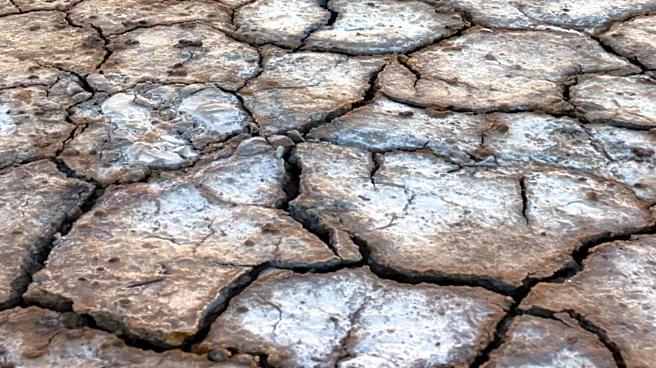
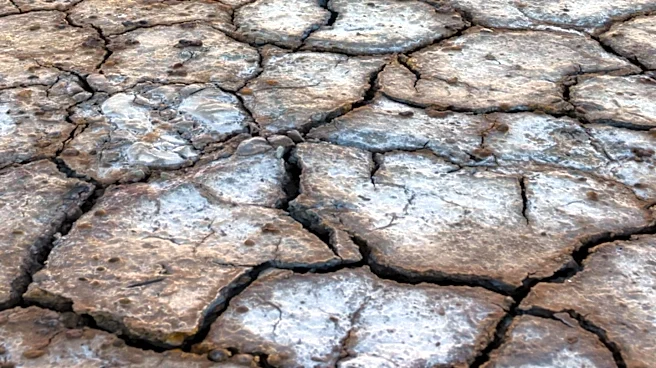
billion won previously allocated in March, which, with local government contributions, totaled 10 billion won. The funds are aimed at expanding agricultural water supply facilities in drought-prone areas, particularly targeting the Gyeongsang and Jeolla provinces where drought conditions have become most acute. The additional funds will be used for short-term measures such as riverbed excavation, installation of pumping facilities, and deployment of water tanker trucks. Agriculture Minister Song Mi-ryeong visited the Chodong Reservoir in Miryang, South Gyeongsang Province, to inspect drought-response efforts. The reservoir storage rate in the Miryang area is at 32.6 percent, the lowest in the country, with five of the eight major drought-response reservoirs across the Yeongnam and Honam regions already below 40 percent capacity.
Why It's Important?
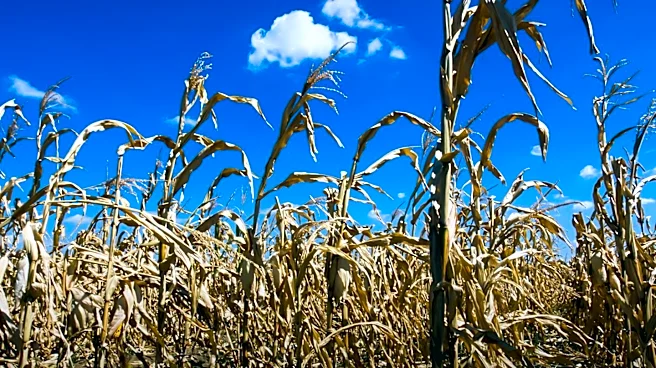
The severe drought in South Korea's southern regions poses a significant threat to the agricultural sector, which is crucial for the country's food security and economic stability. The additional funding and measures are critical to ensuring that farmers can continue their operations despite the challenging conditions. The drought has resulted in significantly reduced rainfall, with South Gyeongsang Province receiving only 33 percent of its historical average rainfall over the past two months. This situation highlights the vulnerability of agricultural regions to climate variability and the importance of government intervention in mitigating the impacts of such environmental challenges. The efforts to secure agricultural water and support farmers are essential to prevent potential food shortages and economic losses in the affected areas.
What's Next?
The South Korean government is likely to continue monitoring the drought situation closely and may implement further measures if conditions do not improve. The focus will remain on ensuring that farmers have the necessary resources to maintain their livelihoods and that the agricultural sector remains resilient in the face of ongoing environmental challenges. The government may also explore long-term strategies to enhance water management and drought preparedness to mitigate future risks. Stakeholders, including local governments and agricultural organizations, are expected to collaborate in these efforts to ensure a coordinated response to the drought crisis.