



What's Happening?
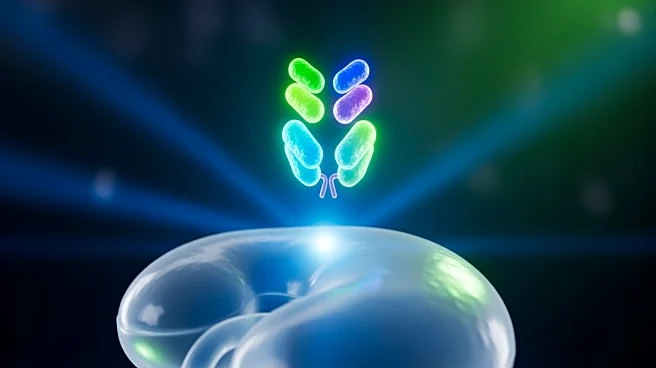
A recent study has shown that COVID-19 booster vaccinations significantly improve virus-specific immune responses in kidney transplant recipients (KTRs) who did not respond to initial vaccinations. Conducted as part of the Dutch Renal Patients COVID-19 VACcination
(RECOVAC) study, the research involved KTRs who received two initial doses of the mRNA-1273 COVID-19 vaccine. Those who did not seroconvert after these doses were given additional booster vaccinations. The study compared immune responses between primary responders, who seroconverted after the initial doses, and booster responders, who seroconverted after receiving a third or fourth dose. The findings revealed that booster responders exhibited higher frequencies of certain immune cells, indicating a more robust immune response. The study was conducted across four university medical hospitals in the Netherlands and adhered to ethical guidelines, with participants providing informed consent.
Why It's Important?
This study is significant as it addresses the challenge of vaccine responsiveness in immunocompromised individuals, such as kidney transplant recipients. These patients are at a higher risk of severe COVID-19 due to their compromised immune systems and the immunosuppressive drugs they take to prevent organ rejection. The findings suggest that booster vaccinations can effectively enhance immune protection in this vulnerable group, potentially reducing their risk of severe illness. This has broader implications for public health strategies, as it supports the use of booster doses to improve vaccine efficacy in populations with weakened immune responses. The study also contributes to the understanding of how different vaccination regimens can be tailored to meet the needs of specific patient groups.
What's Next?
The study's results may influence vaccination policies for immunocompromised individuals, encouraging healthcare providers to consider booster doses as a standard part of COVID-19 vaccination protocols for these patients. Further research could explore the long-term efficacy of booster vaccinations and their impact on preventing COVID-19 infections in kidney transplant recipients. Additionally, similar studies could be conducted in other immunocompromised populations to determine the generalizability of these findings. Monitoring the immune responses over time will be crucial to understanding the durability of protection provided by booster doses.