






What's Happening?
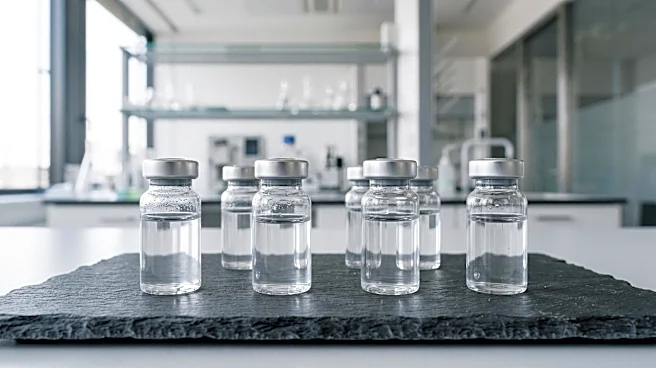
The U.S. Food and Drug Administration (FDA) has approved a preservative-free generic version of ketamine injection, a critical anesthesia drug that has been in short supply for years. NRx Pharmaceuticals announced the approval on October 30, ahead of a November
10 review goal date. The new product will be manufactured by Nephron Pharmaceuticals in West Columbia, South Carolina. Ketamine hydrochloride injection is currently listed as 'Currently in Shortage' on the FDA's drug shortage database, a status it has held since February 2018, according to the American Society of Health-System Pharmacists (ASHP). The shortage has been attributed to increased demand, manufacturing delays, and a scarcity of active ingredients. The new generic uses 'blow-fill-seal' packaging, which NRx Pharmaceuticals claims will help alleviate the shortage of glass-bottled ketamine.
Why It's Important?
This FDA approval is significant for U.S. hospitals and healthcare providers grappling with persistent drug shortages. Ketamine is a vital anesthetic used in various diagnostic and surgical procedures, as well as in emergency care. The ongoing shortage has forced hospital pharmacies to ration supplies, switch vial sizes, or use alternative drugs, potentially complicating patient care. The introduction of a new U.S. supplier and a preservative-free option could ease the pressure on the strained supply chain. However, the actual impact will depend on the volume and speed of product distribution to hospitals. The approval also highlights the broader issue of drug shortages in the U.S., with active shortages rising to 227 in the second quarter of 2026, marking the third consecutive quarterly increase.
What's Next?
NRx Pharmaceuticals has not yet announced a launch date for the preservative-free generic ketamine, though the company states it has commercial supply on hand. The next crucial step will be the actual distribution of the product to hospitals and clinics across the U.S. The FDA will monitor manufacturer reports to update its drug shortage database, indicating whether ketamine can be removed from the shortage list. Patients scheduled for surgery generally do not need to take immediate action, as anesthesia teams are accustomed to adjusting drug choices during shortages. However, patients can inquire about planned medications before procedures. The FDA has not yet ruled on NRx's petition to remove the preservative from ketamine, and there is no finding that current ketamine products are unsafe.
Beyond the Headlines
The approval of this preservative-free generic ketamine touches upon several deeper implications within the U.S. healthcare system. The 'blow-fill-seal' packaging, touted as a solution to glass vial shortages, could signal a shift in pharmaceutical packaging trends, potentially influencing future drug manufacturing and supply chain resilience. Furthermore, the ongoing debate surrounding the preservative in ketamine, and NRx's citizen petition to the FDA, underscores the complex regulatory environment and the continuous evaluation of drug safety and formulation. While ketamine is FDA-approved for anesthesia, its off-label use for depression in some clinics, and NRx's separate pursuit of approval for an IV ketamine product for suicidal depression, highlight the evolving therapeutic applications of the drug and the challenges of managing both approved and unapproved uses within the healthcare system.