


What's Happening?
President Volodymyr Zelensky of Ukraine has announced that Russia is preparing to mobilize up to 100,000 additional troops as part of five potential scenarios to expand its military operations through northern Ukraine. This information was shared following
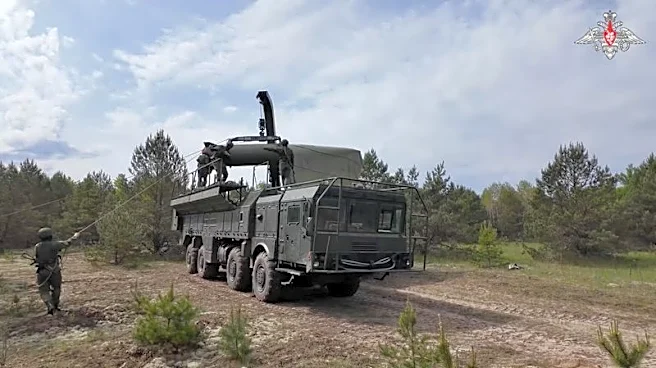
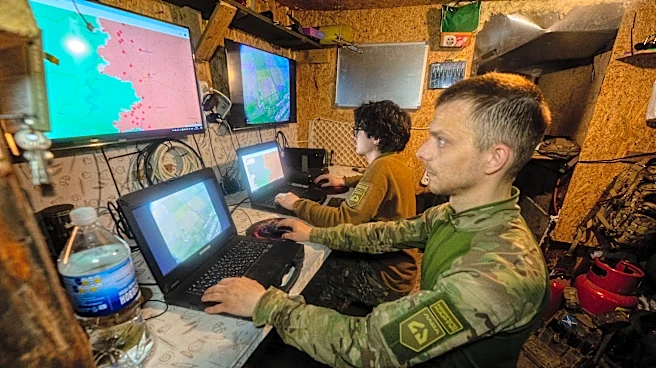
a headquarters meeting where Ukrainian intelligence data was reviewed. The potential offensive operations are expected in the Chernihiv-Kyiv direction. Zelensky emphasized that Ukraine is preparing responses for each possible Russian action and is increasing its forces in the sector. He also mentioned that Russia might not have the capacity for covert mobilization on such a scale and could opt for different political strategies, similar to actions in Moldova’s Transnistria region. Ukraine is also planning to expand its long-range strikes on Russian territory, which Zelensky described as 'long-range sanctions' that have been effective in reducing Russia's war capabilities.
Why It's Important?
The potential mobilization of 100,000 Russian troops signifies a significant escalation in the ongoing conflict, which could have severe implications for regional stability and international relations. For Ukraine, this development necessitates a strategic military response to defend its northern regions and maintain its sovereignty. The situation also poses a challenge for NATO and neighboring countries, as increased Russian military activity could threaten broader European security. The international community, particularly Western allies, may need to reassess their support strategies for Ukraine, including military aid and diplomatic efforts to deter further Russian aggression. The conflict's expansion could also impact global energy markets and economic stability, given the region's strategic importance.
What's Next?
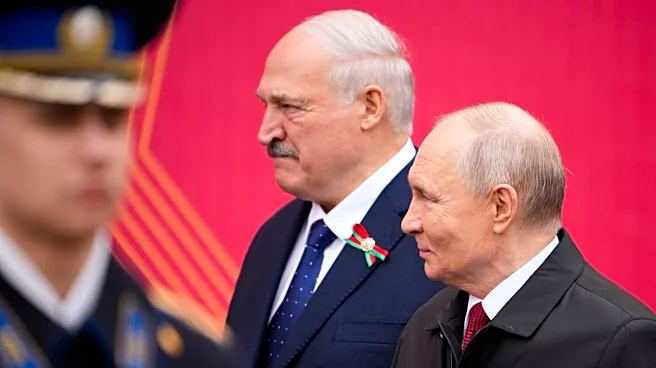
Ukraine is likely to continue strengthening its military defenses and seeking additional support from international allies. The potential for increased Russian aggression may prompt further sanctions and diplomatic actions from Western countries. Additionally, the situation could lead to heightened tensions between Russia and NATO, especially if Russian military activities extend towards NATO member states. Monitoring the developments in Belarus, which is conducting joint exercises with Russia, will also be crucial, as it could indicate further regional destabilization. The international community will need to remain vigilant and responsive to any changes in the conflict's dynamics.