


What's Happening?
Water managers across the Colorado River Basin are anticipating the release of a federal management plan that will outline future water cuts and reservoir management strategies. This plan is crucial as the current management rules are set to expire soon.
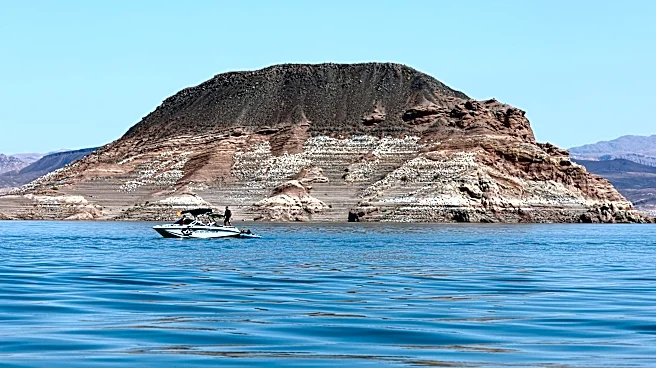
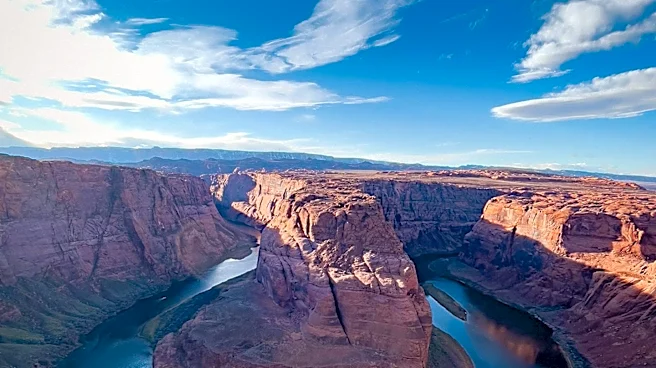
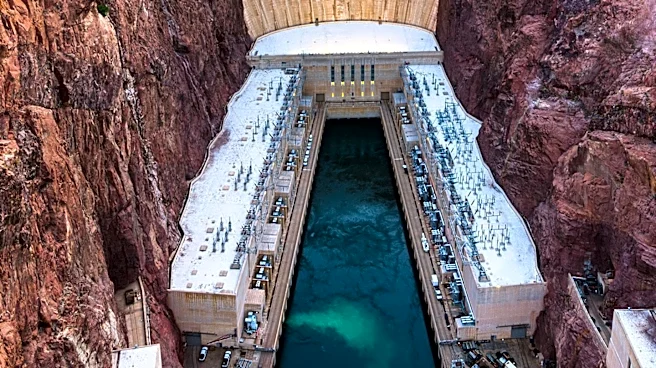
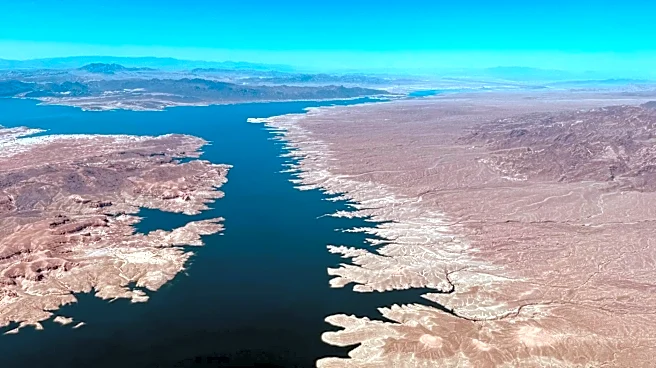
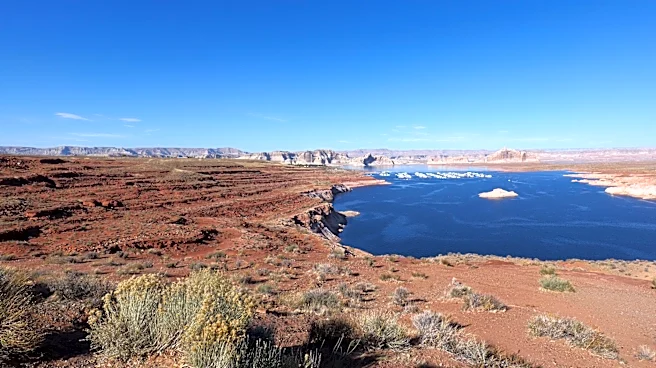
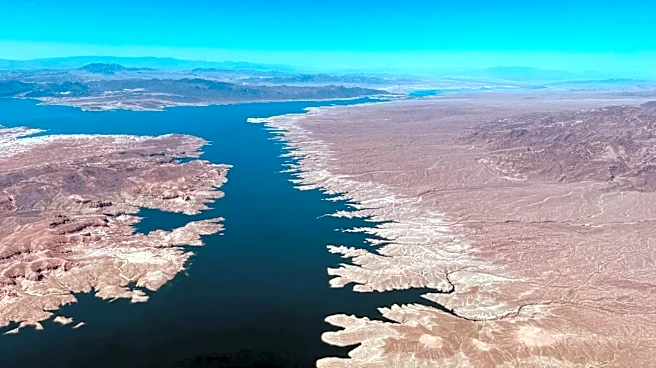
The Colorado River, which serves as a vital water source for approximately 40 million people, has seen a significant decline in its flow, dropping by 20% over the past 27 years. The federal plan is expected to address how water will be released and stored in key reservoirs like Lake Powell and Lake Mead. The plan will also set upper limits on water cuts for Lower Basin states such as Arizona, California, and Nevada. The negotiations have been challenging due to political factors and the river's diminishing water levels.
Why It's Important?
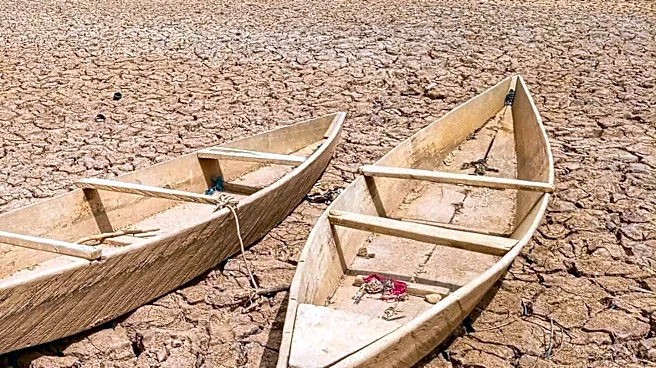
The release of this federal management plan is critical for the future water security of the Colorado River Basin. The river's declining flow poses a significant threat to water availability for millions of people and various industries. The plan's implementation will impact agricultural activities, urban water supply, and environmental conservation efforts. Lower Basin states, which rely heavily on the river, may face substantial water cuts, affecting their economies and communities. The plan's framework will require ongoing negotiations, which could strain resources and create uncertainty for stakeholders. The outcome of these negotiations will have long-term implications for water management and regional stability.
What's Next?
Once the federal plan is released, water managers and officials will need to assess its implications and prepare for potential water cuts. The plan will require periodic renegotiations every two years, which will demand significant time and resources. States may need to implement conservation measures and explore alternative water sources to mitigate the impact of reduced river flows. Legal challenges could arise, particularly concerning compliance with the Colorado River Compact of 1922. Stakeholders will need to collaborate to address the gap between water supply and demand, ensuring sustainable water management for the future.
Beyond the Headlines
The ongoing challenges with the Colorado River highlight broader issues related to climate change and water resource management. The river's declining flow is partly attributed to climate change, which complicates legal interpretations of water rights and obligations. The situation underscores the need for adaptive management strategies that consider environmental changes and prioritize long-term sustainability. The federal plan's success will depend on the ability of states and stakeholders to navigate complex legal, political, and environmental landscapes.