






What's Happening?
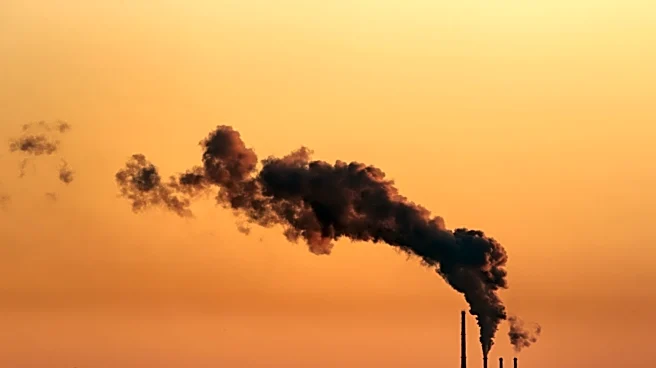
A new analysis by the Clean Air Task Force (CATF) reveals that air pollution from nearly 200 coal-fired power plants in the U.S. is responsible for over 6,600 premature deaths and more than $100 billion in damages annually. The 'Toll from Coal' modeling
tool, updated with 2024 emissions data, indicates that sulfur dioxide (SO2) and nitrogen oxides (NOx) from these plants contribute to harmful soot and smog. Beyond premature deaths, the pollution causes nearly 2,000 non-fatal heart attacks and over 15,000 new asthma diagnoses each year, leading to hundreds of thousands of missed school and work days. CATF Senior Scientist John Graham emphasized that reducing pollution from these plants is a highly effective public health measure. The analysis also highlights concerns about the U.S. Department of Energy potentially forcing plants with planned retirement dates between 2025 and 2028 to remain operational, which could lead to an additional 2,000 deaths and $28 billion in health-related costs.
Why It's Important?
This CATF analysis underscores the significant and ongoing public health crisis posed by coal-fired power plant emissions in the United States. The reported figures of premature deaths, heart attacks, and asthma diagnoses illustrate a substantial burden on the healthcare system and a direct impact on the quality of life for thousands of Americans. The economic cost of over $100 billion annually in societal damages, including lost productivity from missed school and work days, highlights the broader financial implications for the U.S. economy. The potential for the Department of Energy to extend the operational life of older coal plants, despite planned retirements, raises critical questions about energy policy, environmental protection, and public health priorities. This situation could exacerbate existing health disparities in communities near these facilities and hinder progress towards cleaner energy goals, affecting both environmental advocates and public health organizations.
What's Next?
The Clean Air Task Force's findings are likely to intensify calls for stricter regulations on coal-fired power plants and a faster transition to cleaner energy sources. Environmental groups and public health advocates will likely use this data to pressure policymakers and regulatory bodies, such as the Environmental Protection Agency (EPA), to enforce more stringent emission standards and to resist efforts to extend the operational lives of aging coal plants. The debate surrounding the Department of Energy's authority to keep these plants open will likely continue, potentially leading to legal challenges or legislative action. Utilities and energy providers may face increased scrutiny and pressure to accelerate their decarbonization efforts. The analysis also provides a strong basis for communities affected by coal plant pollution to advocate for environmental justice and improved public health outcomes.
Beyond the Headlines
The CATF report delves into the systemic challenges of balancing energy demand with environmental and public health concerns. The continued reliance on coal-fired power, despite its known health impacts and the availability of cleaner alternatives, reflects complex economic and political considerations. The potential intervention by the Department of Energy to keep older plants operational highlights a tension between energy security, grid reliability, and environmental mandates. This situation also brings to light the concept of 'environmental injustice,' where communities, often low-income or minority, disproportionately bear the health burdens of industrial pollution. The long-term implications include not only persistent health issues but also a slower transition to a sustainable energy future, potentially impacting the U.S.'s ability to meet climate goals and maintain global competitiveness in renewable energy technologies.