
What's Happening?
Developers across the United States are converting vacant office buildings into residential apartments to address the dual challenges of high office vacancy rates and a significant housing shortage. This
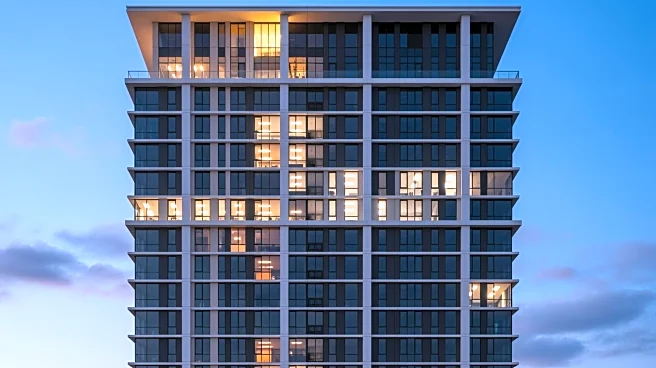
trend has been particularly notable in cities like Washington, D.C., where office vacancy rates soared during the pandemic. Developers like Matt Pestronk of Post Brothers are leading projects to transform these spaces into luxury apartments, with plans to convert a former office building near Dupont Circle into over 500 apartments. The process involves significant renovations, such as increasing natural light by enlarging windows and removing drop ceilings. D.C. Mayor Muriel Bowser has supported these conversions by offering incentives like a 20-year property tax abatement. Since 2024, D.C. has seen 11 such conversions, creating nearly 2,000 new apartments. This initiative is part of a broader trend occurring in cities nationwide, including New York City, Dallas, and Manchester.
Why It's Important?
The conversion of office buildings into residential spaces is a critical response to the evolving urban landscape in the U.S. The pandemic accelerated changes in office usage, with many companies requiring less space due to remote work and digital storage solutions. This shift has left many office buildings underutilized, while the demand for housing continues to rise. By repurposing these buildings, cities can alleviate housing shortages and make better use of existing infrastructure. This approach not only provides new housing options in central, accessible locations but also revitalizes urban areas that might otherwise face economic decline due to vacant properties. The success of these projects could serve as a model for other cities facing similar challenges, potentially reshaping urban development strategies across the country.
What's Next?
As more cities explore office-to-residential conversions, the construction industry may see a shift in focus towards renovation projects rather than new builds. Developers will likely continue to assess the viability of such conversions, considering factors like location and existing building conditions. Policymakers may also play a crucial role by offering incentives to encourage these projects, as seen in D.C. However, some building owners remain hesitant, hoping for a rebound in office demand. The long-term success of these conversions will depend on continued demand for urban housing and the ability of developers to adapt office spaces to meet residential needs effectively. Additionally, the trend could influence future urban planning and zoning policies, promoting mixed-use developments that integrate residential, commercial, and office spaces.
Beyond the Headlines
The trend of converting office buildings into residential spaces highlights broader societal shifts in work and living patterns. As remote work becomes more prevalent, the traditional office model is being reevaluated, prompting a reconsideration of how urban spaces are utilized. This shift could lead to more sustainable urban environments, reducing the need for new construction and minimizing urban sprawl. Furthermore, these conversions may contribute to more vibrant city centers, with increased residential populations supporting local businesses and services. However, the success of these projects will depend on addressing challenges such as ensuring adequate natural light and creating appealing living spaces within former office structures.