


What's Happening?
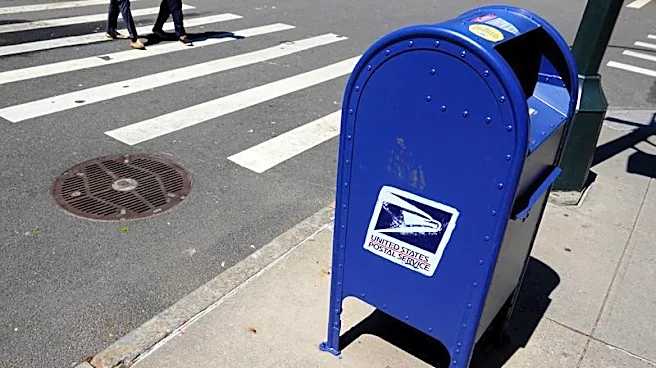
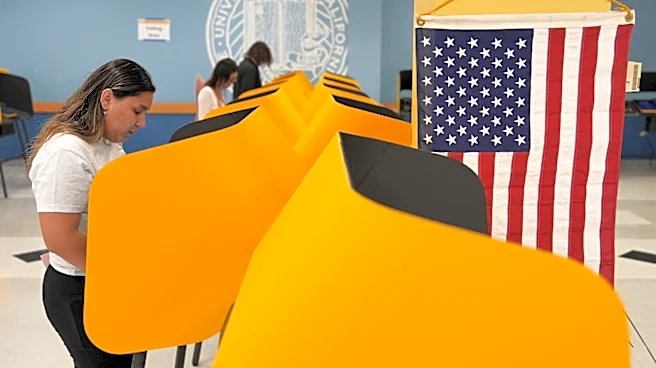
Congressman Darin LaHood (R-Dunlap) has voiced cautious support for mail-in balloting, acknowledging its current safety but emphasizing the critical need for vigilant oversight to prevent potential errors and corruption. LaHood highlighted that the varying
mail-in ballot systems across different states could lead to inconsistencies and issues. He stressed the importance of robust monitoring, including involvement from federal prosecutors and the FBI, to ensure the integrity of the election process. LaHood also mentioned his consistent support for the SAVE America Act in the House, a legislative effort designed to review the mail-in ballot system. This comes after Tazewell County Clerk John Ackerman reassured the public about the security of vote-by-mail, following a local article that raised federal concerns, though LaHood stated he had not seen the whistleblower report that prompted the article and did not perceive widespread panic regarding mail-in voting at this time.
Why It's Important?
The Congressman's stance on mail-in balloting is significant for U.S. politics and public policy, particularly concerning election integrity. His call for federal oversight, involving agencies like the FBI and federal prosecutors, underscores a broader concern about the standardization and security of voting methods across states. This perspective reflects ongoing debates about the balance between accessibility and security in elections. The emphasis on the SAVE America Act highlights legislative efforts to address these concerns at a national level, potentially leading to reforms or increased scrutiny of state-level election procedures. The differing views between federal lawmakers and local officials, such as Tazewell County Clerk John Ackerman, illustrate the complex and often fragmented nature of election administration in the U.S., where federal interests intersect with state and local practices. Ensuring public faith in the election system, as LaHood noted, is fundamental to democracy, making any perceived vulnerabilities in mail-in balloting a critical issue for public trust and political stability.
What's Next?
The discussion surrounding mail-in balloting and the need for federal oversight is likely to continue, especially as future elections approach. Congressman LaHood's continued support for the SAVE America Act suggests that legislative efforts to review and potentially reform the mail-in ballot system will persist in the House. This could lead to further debates and votes on the bill, potentially influencing how mail-in voting is conducted nationwide. Stakeholders, including state election officials, federal agencies, and civil society groups, will likely continue to monitor and advocate for their respective positions on election security and accessibility. The ongoing dialogue may also prompt states to review and potentially adjust their own mail-in voting procedures in response to federal concerns or public pressure. The involvement of federal prosecutors and the FBI, as suggested by LaHood, could lead to increased investigations or audits of election processes, aiming to bolster public confidence and address any identified vulnerabilities.
Beyond the Headlines
Beyond the immediate concerns of election security, Congressman LaHood's comments touch upon deeper implications for the federal-state balance of power and the future of democratic processes in the U.S. The call for federal intervention in state-administered elections, even for oversight, raises questions about states' rights and the autonomy of local election bodies. This tension between federal authority and state sovereignty is a recurring theme in American governance. Furthermore, the debate over mail-in balloting reflects broader societal shifts in how citizens engage with democratic institutions, particularly in an era of increased digital communication and evolving public health considerations. The long-term impact could include a more standardized national approach to elections, potentially diminishing the unique characteristics of state-level voting systems, or it could lead to a more robust and transparent system of checks and balances that reinforces public trust in the electoral outcomes. The ethical dimension involves balancing the convenience and accessibility of mail-in voting with the imperative to prevent fraud and maintain the integrity of each vote.