





What's Happening?
The United States and Iran have exchanged a series of air strikes over the weekend, escalating tensions between the two nations. President Trump has returned a proposed peace deal with revisions, demanding tougher language regarding Iran's nuclear commitments
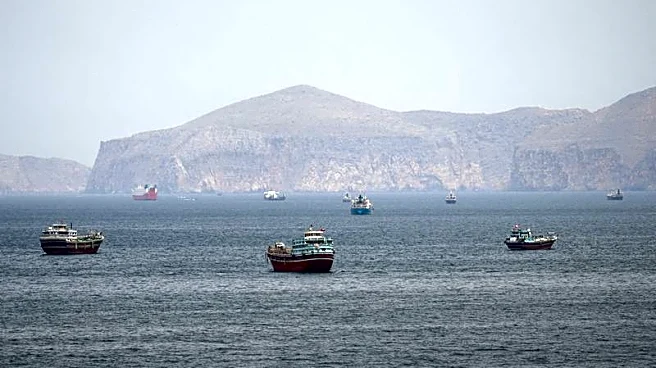
and its pledge to reopen the Strait of Hormuz. The exact changes requested by President Trump have not been disclosed, but officials indicate a focus on strengthening the terms related to Iran's nuclear activities. This development comes amidst ongoing international efforts to stabilize relations and prevent further military conflict.
Why It's Important?
The revisions to the peace deal by President Trump could have significant implications for international diplomacy and security in the Middle East. Strengthening the language around Iran's nuclear commitments may impact global nuclear non-proliferation efforts and influence the geopolitical landscape. The reopening of the Strait of Hormuz is crucial for global oil trade, and any disruptions could affect international markets and energy prices. The ongoing military exchanges highlight the fragile nature of U.S.-Iran relations and the potential for further escalation, which could have broader consequences for regional stability and international alliances.
What's Next?
The next steps involve continued diplomatic negotiations to finalize the peace deal, with potential adjustments to address the concerns raised by President Trump. International stakeholders, including the United Nations and neighboring countries, may increase their involvement to mediate and facilitate a resolution. The situation requires careful monitoring as further military actions could provoke additional responses from both nations, impacting global security and economic interests.