



What's Happening?
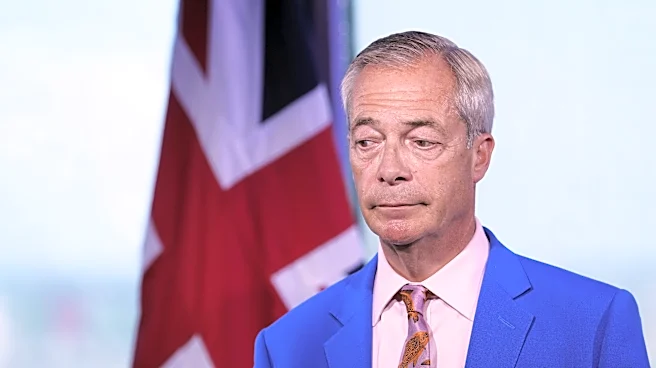
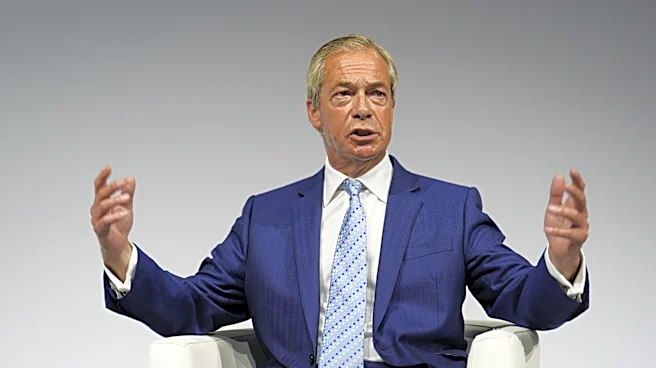
Nigel Farage, leader of the Reform UK party, resigned as a lawmaker for Clacton-on-Sea, triggering a special election amid allegations of undeclared financial donations. Farage framed his resignation as a move to let his constituents judge his actions
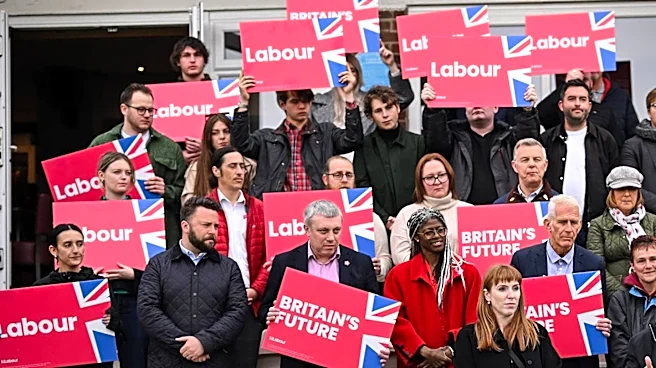
rather than the establishment. However, the UK's main political parties, including the Labour Party, Conservative Party, and Liberal Democrats, have dismissed the election as a stunt and decided to boycott it. This leaves Farage's main opponent as Count Binface, a satirical comedian known for his humorous political campaigns. Farage is facing scrutiny over allegations of failing to declare gifts from wealthy donors, which he denies.
Why It's Important?
The decision by major political parties to boycott the election highlights the controversy surrounding Farage and the allegations against him. This situation underscores the tension between Farage and the political establishment, as well as the potential impact on his political career. The involvement of a satirical candidate like Count Binface also reflects the unique nature of British political culture, where humor and satire play a role in political discourse. The outcome of this election could influence public perception of Farage and his party, especially given their recent gains in local elections.
What's Next?
With the main parties boycotting the election, the focus will be on whether Farage can maintain his political influence despite the controversy. The election will test the support for Farage among his constituents and could either bolster his position or further damage his reputation. The presence of Count Binface adds an element of unpredictability, as his campaign could attract protest votes. The results of this election may also impact the broader political landscape in the UK, particularly for the Reform UK party.