





What's Happening?
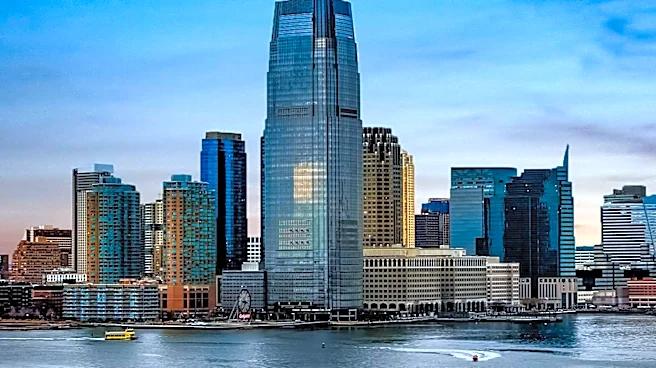
A new ferry terminal is opening in Jersey City, New Jersey. This facility has been constructed with the primary goal of enhancing access for the millions of visitors who travel to the Statue of Liberty and Ellis Island annually. The development aims to streamline
transportation to these significant national landmarks, which are popular tourist destinations. The new terminal is expected to improve the overall visitor experience by providing a more efficient and potentially more comfortable transit option. This initiative reflects an ongoing effort to upgrade infrastructure supporting tourism and public access to historical sites in the region. The project has been overseen by transportation officials, indicating a coordinated effort to address the logistical needs of high-volume tourist traffic.
Why It's Important?
The opening of this new ferry terminal holds significant importance for both regional tourism and the local economy in Jersey City and the broader New York metropolitan area. Improved access to the Statue of Liberty and Ellis Island can lead to an increase in visitor numbers, which in turn boosts revenue for local businesses, including hospitality, retail, and other service sectors. This infrastructure development also highlights the continuous investment in public transportation and tourism facilities, which are crucial for maintaining the appeal and accessibility of national monuments. For residents and commuters, while the primary focus is tourism, enhanced ferry services can sometimes alleviate pressure on other transportation modes, contributing to a more integrated regional transit network. The project underscores the economic value placed on historical sites and the infrastructure required to support their public enjoyment.
What's Next?
Following the opening of the new ferry terminal, the immediate next steps will likely involve monitoring its operational efficiency and public reception. Transportation officials will assess how effectively the new facility manages visitor flow and impacts travel times to the Statue of Liberty and Ellis Island. There may be adjustments to ferry schedules, ticketing systems, or passenger services based on initial usage patterns and feedback. Local businesses in Jersey City are expected to adapt to the potential increase in tourist traffic, possibly expanding services or adjusting operating hours. Additionally, the success of this project could influence future infrastructure investments aimed at improving access to other popular attractions or enhancing regional transportation networks. Public awareness campaigns may also be launched to inform potential visitors about the new transportation option.
Beyond the Headlines
Beyond the immediate benefits of improved access, the new ferry terminal in Jersey City carries deeper implications for urban development and the preservation of national heritage. By facilitating easier access to the Statue of Liberty and Ellis Island, the project reinforces the cultural and historical significance of these sites, ensuring they remain central to the American narrative and accessible to a diverse public. This development could also spur further revitalization efforts in the surrounding areas of Jersey City, attracting new businesses and residents, and potentially transforming the waterfront into a more vibrant hub. The investment in sustainable and efficient transportation methods, such as ferries, also aligns with broader environmental goals by potentially reducing reliance on less eco-friendly modes of transport. Ultimately, this terminal is not just a point of transit but a gateway that connects millions to pivotal moments in U.S. history and the ongoing story of immigration and freedom.