





What's Happening?
A new Netflix documentary, 'Freefall: A Reckoning for Boeing,' delves into Boeing's manufacturing negligence and the tragic death of whistleblower John Barnett. The film, directed by Kennedy, explores the company's struggles with its safety record, highlighted
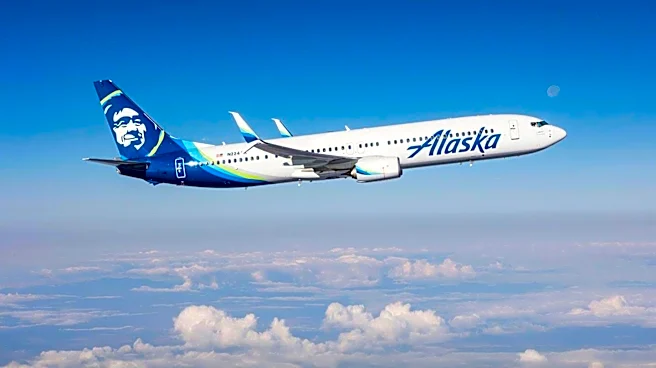
by incidents such as the January 2024 Alaska Airlines flight where a 737 Max 9 plane lost a rear door plug mid-flight. This incident, which fortunately resulted in no fatalities, was attributed to improperly fitted outsourced fuselage and door plug parts, a consequence of Boeing's cost-cutting measures. A central figure in the documentary is John Barnett, who worked in quality control at Boeing for 32 years and made detailed reports on the company's manufacturing negligence. Barnett was found dead from a gunshot wound in March 2024 while giving a deposition against Boeing in South Carolina, with the Charleston County coroner ruling it a self-inflicted wound. Barnett's interviews form a significant part of the film, providing a 'defining thread' to the narrative.
Why It's Important?
This documentary is important because it brings renewed public scrutiny to Boeing's manufacturing practices and corporate culture, particularly concerning safety and accountability. The allegations of cost-cutting leading to safety compromises could erode public trust in a major U.S. aerospace manufacturer, potentially impacting its market standing and future contracts. The focus on John Barnett's death raises critical questions about whistleblower protection and the pressures faced by individuals who expose corporate malfeasance. This could prompt discussions on regulatory oversight and corporate governance within the aerospace industry, influencing policy decisions aimed at enhancing safety standards and protecting those who report violations. The film's narrative could also affect investor confidence and consumer perception of air travel safety, given Boeing's significant role in global aviation.
What's Next?
The release of 'Freefall: A Reckoning for Boeing' is likely to intensify public and regulatory pressure on Boeing. The company has already acknowledged the allegations, stating that some remain unfounded while others have been addressed or are being improved upon under new leadership. However, the documentary's detailed account, especially regarding the Alaska Airlines incident and John Barnett's case, could trigger further investigations by aviation authorities and government bodies. There may be calls for increased transparency and stricter enforcement of safety regulations within the aerospace industry. Boeing may face continued challenges in rebuilding its reputation and regaining full public trust, potentially leading to internal reforms, changes in leadership, or adjustments to its manufacturing and quality control processes. The film could also inspire more whistleblowers to come forward, further exposing potential issues within the industry.
Beyond the Headlines
Beyond the immediate implications for Boeing, the documentary touches upon broader societal issues concerning corporate ethics, the balance between profit and safety, and the treatment of whistleblowers. The narrative highlights the ethical dilemmas faced by large corporations when cost-cutting measures potentially compromise product integrity and public safety. The tragic circumstances surrounding John Barnett's death underscore the immense personal risks whistleblowers often undertake, raising questions about the adequacy of current legal protections and support systems for those who expose corporate wrongdoing. This could spark a wider conversation about corporate accountability and the need for robust mechanisms to ensure that companies prioritize safety and ethical conduct over financial gains. The film also serves as a powerful example of how media, particularly documentaries, can influence public opinion and drive social and political change.