





What's Happening?
The Polio Vaccine Alliance, also known as Gavi, the Vaccine Alliance, a public-private partnership, has announced a significant achievement in its mission to eradicate polio worldwide. The alliance, led by national governments and supported by six core
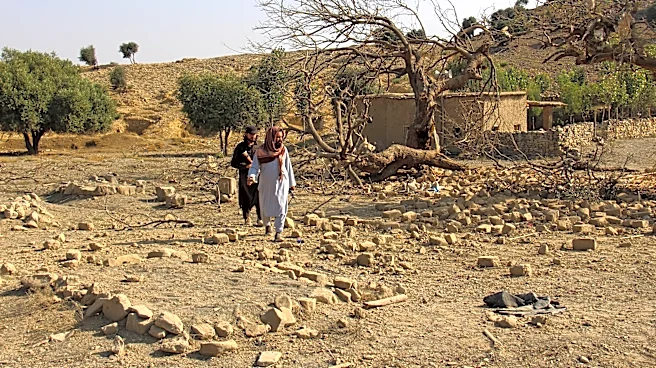
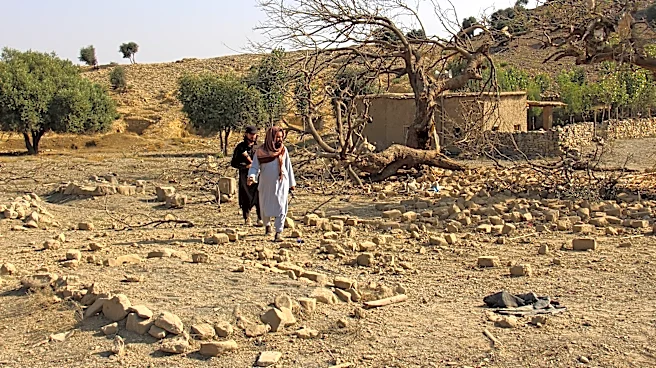
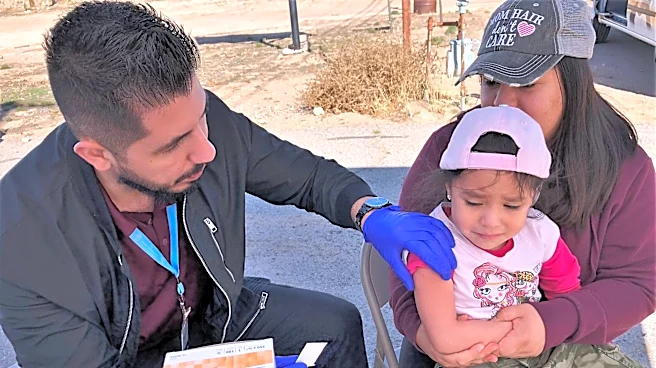
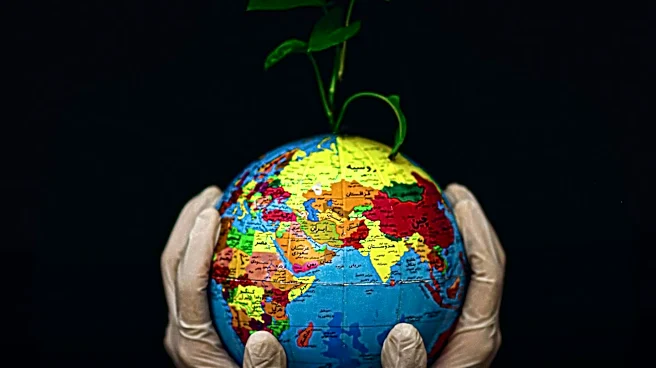
partners including the World Health Organization (WHO), Rotary International, the US Centers for Disease Control and Prevention (CDC), UNICEF, the Bill & Melinda Gates Foundation, and Gavi itself, has successfully reduced global polio cases by 99.9% over the past 38 years. This effort has involved immunizing over 3 billion children across 122 countries. As a result of these extensive vaccination campaigns, the circulation of wild polio has been confined to just two countries: Pakistan and Afghanistan. The alliance emphasizes that while substantial progress has been made, the global community remains at risk of a polio resurgence until transmission is completely interrupted in these remaining endemic areas.
Why It's Important?
The near eradication of polio represents a monumental public health triumph with profound implications for global health security and economic stability. For the U.S., this success means a reduced risk of imported polio cases, safeguarding its population from a disease that once caused widespread paralysis and death. The continued efforts of the Polio Vaccine Alliance, with the significant involvement of the CDC and the Bill & Melinda Gates Foundation, underscore the critical role of international collaboration and sustained funding in addressing global health challenges. The eradication of polio would free up healthcare resources that can be redirected to other pressing health issues, both domestically and internationally. Furthermore, a polio-free world enhances economic productivity by preventing disability and allowing children to grow into healthy, contributing members of society. The ongoing threat in Pakistan and Afghanistan highlights the interconnectedness of global health; as long as polio exists anywhere, it poses a risk everywhere, necessitating continued vigilance and investment from all nations, including the U.S.
What's Next?
The immediate next steps for the Polio Vaccine Alliance involve intensifying efforts to interrupt poliovirus transmission in the two remaining endemic countries, Pakistan and Afghanistan. This will require sustained and potentially increased funding, robust vaccination campaigns, and enhanced surveillance to detect and respond to any new cases swiftly. The alliance will also need to address challenges such as vaccine hesitancy, conflict, and difficult-to-reach populations in these regions. Furthermore, there will be a continued focus on strengthening routine immunization programs globally to ensure high vaccination coverage and prevent any re-emergence of the virus. The U.S. and its partners will likely continue to provide financial and technical support to these initiatives, recognizing that the final push for eradication is crucial to securing the long-term gains achieved over decades. The ultimate goal is to certify the world as polio-free, a milestone that would mark the eradication of only the second human disease in history.
Beyond the Headlines
Beyond the immediate public health achievement, the success of the Polio Vaccine Alliance offers a powerful blueprint for tackling other global infectious diseases. It demonstrates the efficacy of a multi-sectoral approach involving governments, international organizations, and philanthropic entities. The lessons learned from polio eradication, particularly in navigating complex geopolitical landscapes and addressing social determinants of health, can be applied to ongoing efforts against diseases like measles, rubella, and even future pandemics. The alliance's work also highlights the ethical imperative of global health equity, ensuring that life-saving interventions reach even the most vulnerable populations. The long-term shift towards strengthening national health systems, a key component of the polio eradication strategy, will have lasting benefits for overall public health infrastructure in many developing countries. This collaborative model fosters trust and shared responsibility, reinforcing the idea that global challenges require global solutions, with the U.S. playing a pivotal role in leadership and resource allocation.