




What's Happening?
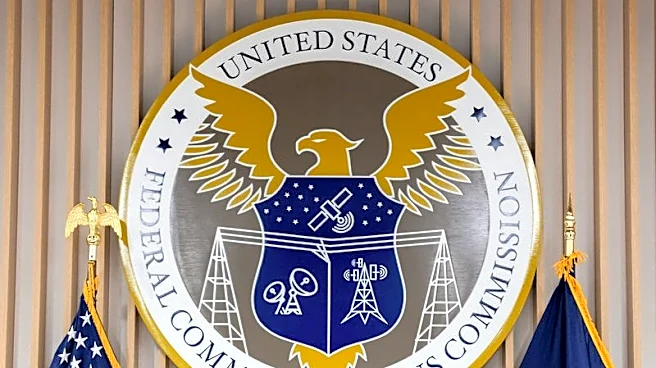
ABC and its parent company, The Walt Disney Company, have filed a federal lawsuit against the Federal Communications Commission (FCC), alleging that the Trump administration violated their free speech rights. The lawsuit claims that administration officials
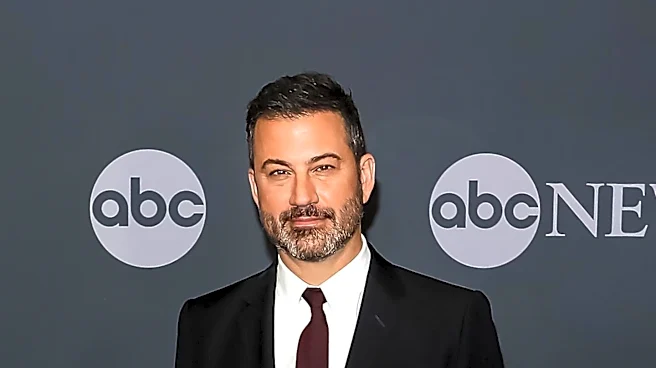
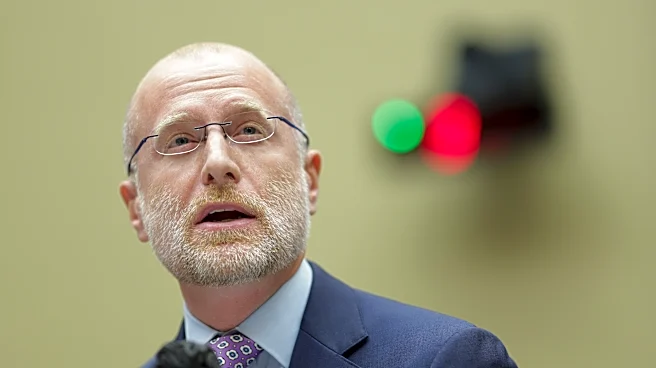
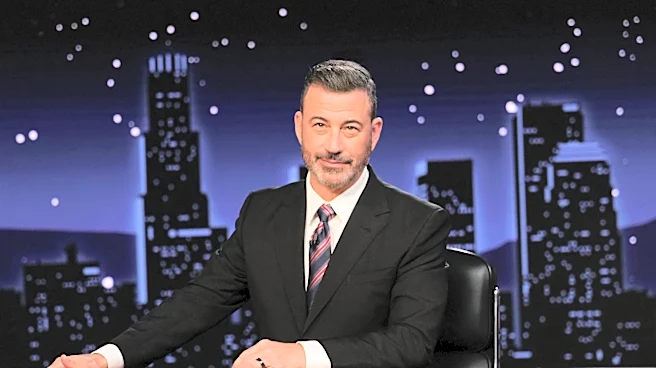
attempted to influence broadcast licenses and launch investigations due to President Trump's disapproval of their talk show opinions, news coverage, and late-night comedians. This action follows an early review order by the FCC in April for all eight ABC-owned station licenses, years before their scheduled expiration. The FCC cited the network's diversity and inclusion practices as a reason for the review, which occurred shortly after late-night host Jimmy Kimmel, a vocal critic of President Trump, made comments that angered the administration. The lawsuit argues that these actions constitute an "existential threat" to the network and are a direct retaliation for their First Amendment-protected speech. FCC Chair Brendan Carr, appointed by President Trump in November 2025, has reportedly indicated a willingness to consider revoking ABC's licenses.
Why It's Important?
This lawsuit is significant as it raises fundamental questions about government overreach and the protection of free speech in the media landscape. If the administration's actions are upheld, it could set a precedent where media companies might feel pressured to self-censor or align their content with government preferences to avoid regulatory scrutiny and potential license revocation. This could severely undermine the independence of the press, a cornerstone of democratic societies. The case highlights the tension between broadcasters seeking full First Amendment protection and the FCC's role in regulating public airwaves. The outcome could influence how media outlets cover political figures and sensitive topics, potentially leading to a chilling effect on critical reporting and diverse viewpoints. Furthermore, the lawsuit brings to light the potential for political motivations to influence regulatory bodies, impacting the perceived impartiality of government agencies like the FCC.
What's Next?
ABC and Disney are seeking a federal court order to halt the early license renewal proceedings initiated by the FCC. The legal battle is expected to be protracted, with significant implications for both the media industry and regulatory practices. FCC Chair Brendan Carr has stated that the FCC will continue to follow the facts and law, asserting that broadcasters have a legal obligation to operate in the public interest. The sole Democrat on the FCC, Anna Gomez, has commended ABC and Disney for their lawsuit, viewing it as a necessary pushback against government intimidation. The court's decision will determine whether the FCC's actions are deemed a legitimate exercise of regulatory authority or an infringement on First Amendment rights. This case could also prompt further congressional scrutiny into the FCC's operations and its relationship with the White House, especially concerning allegations of politically motivated investigations and license reviews.
Beyond the Headlines
Beyond the immediate legal implications, this case delves into the ethical and cultural dimensions of media freedom and government power. The lawsuit's assertion that the administration's actions could force media companies to "tell only the stories the Administration deems favorable" points to a broader concern about the erosion of journalistic integrity and public trust in news sources. The historical context of tensions between the press and the FCC, as noted by free-speech attorney Floyd Abrams, underscores that while such conflicts are not new, the current situation is unprecedented in its directness and potential danger to press freedom. This legal challenge could trigger a re-evaluation of the FCC's powers and the safeguards in place to prevent political interference in media regulation. It also highlights the ongoing debate about the role of media in a polarized political environment and the responsibilities of both news organizations and government entities in upholding democratic principles.