





What's Happening?
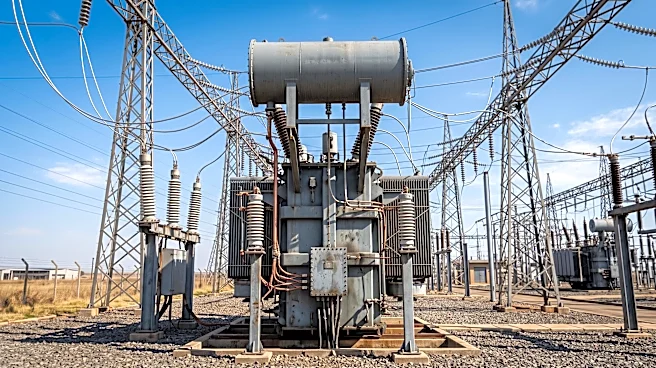
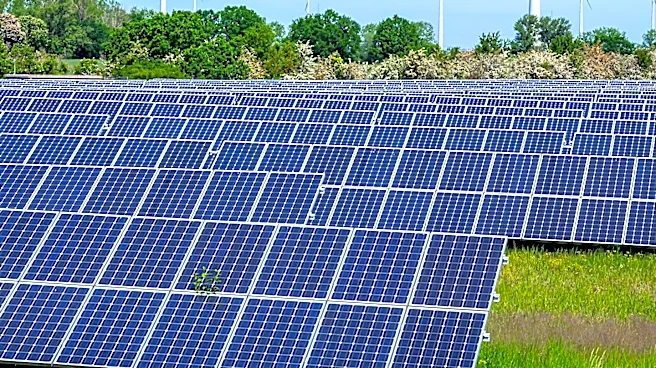
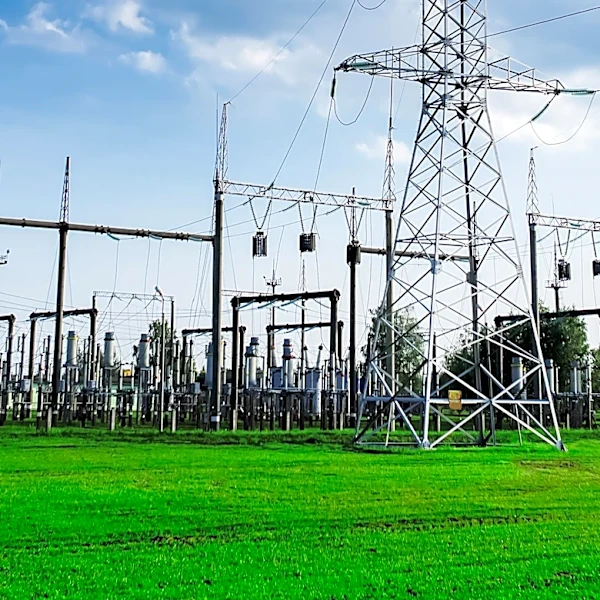
Research is exploring the application of quantum computing techniques, aided by artificial intelligence (AI), to optimize complex modern power systems in the U.S. and globally. As power grids incorporate more renewable energy sources and advanced technologies,
the computational demands for real-time simulation and optimization are increasing beyond the capabilities of traditional computers and even current AI methods. The study highlights how mathematical frameworks like Quadratic Unconstrained Binary Optimisation (QUBO) can translate power system challenges, such as unit commitment and network reconfiguration, into formats usable by both conventional and developing quantum computers. This integration aims to address the growing complexity and ensure stability in the evolving energy landscape.
Why It's Important?
The increasing complexity of modern power grids, driven by the integration of renewable energy and sophisticated technologies, poses significant challenges for stability and efficient operation. Traditional computing methods struggle to perform real-time simulations and optimizations required for these intricate systems. The potential of quantum computing, combined with AI, offers a revolutionary approach to solve these problems much faster. This could lead to more resilient and efficient power grids, reducing the risk of blackouts, optimizing energy distribution, and better managing the intermittency of renewable sources. For the U.S., this means enhanced energy security, reduced operational costs, and a more sustainable energy future, impacting both consumers and utility providers.
What's Next?
Researchers are focusing on developing foundational quantum algorithms and software tools, even as fully faultless qubits remain a future prospect. The strategy involves utilizing available 'noisy intermediate-scale quantum' (NISQ) devices in hybrid architectures with classical resources to scale solutions. This approach acknowledges the current limitations of quantum hardware while preparing for more advanced machines. Future work will involve further development of algorithms like Hybrid Quantum Linear Solvers (HQLS) and Variational Quantum Algorithms (VQAs) to tackle large, sparse matrices common in grid analysis. The goal is to move beyond theoretical speedups to practical implementations that can provide tangible benefits for power system analysis and operation.
Beyond the Headlines
The integration of quantum computing and AI in power grid optimization represents a broader shift towards leveraging advanced computational methods for critical infrastructure. This development could set a precedent for other complex systems, such as transportation networks, logistics, and even urban planning, where real-time optimization is crucial. The ethical implications include ensuring equitable access to these advanced technologies and preventing potential vulnerabilities that could arise from highly centralized, quantum-optimized systems. Furthermore, the need for a skilled workforce capable of developing and managing these hybrid quantum-AI systems will drive significant investment in education and training in quantum science and engineering.