






What's Happening?
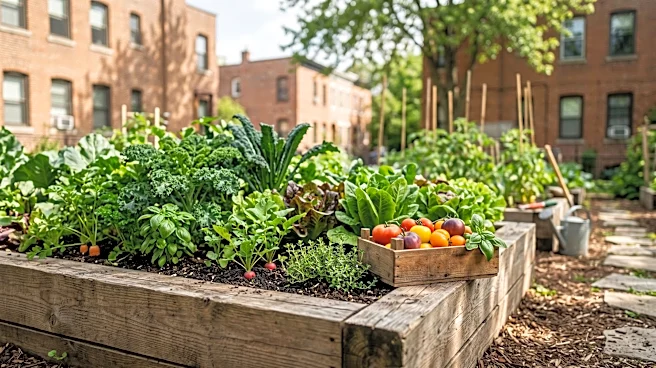
The Jacksonville City Council is set to introduce an ordinance aimed at establishing clearer regulations for urban agriculture, particularly concerning the sale of homegrown produce. This initiative, dubbed the 'Free to Garden Act' by supporters, seeks
to provide a legal framework for community and market gardens within the city's zoning code. Nathan Ballentine, who operates Overalls Farms, highlighted the current lack of clear guidance from the city, which has made operating urban farms challenging. The proposed legislation (Ordinance 2026-807) would formally define 'community gardens' and 'market gardens' and specify where these can operate across various residential and commercial zoning districts. It also includes standards for their operation, covering aspects like structures, size, and on-site sales. Council members Raul Arias and Jimmy Peluso are introducing the ordinance, responding to years of advocacy from residents and groups like the Duval Food Policy Council.
Why It's Important?
This ordinance is important for several reasons. Firstly, it addresses a regulatory void that has hindered the growth and formalization of urban agriculture in Jacksonville, a city with a year-round growing season. By providing clear rules, it could empower small businesses and individuals to engage in urban farming, potentially increasing local food production and access to fresh produce within the city. This could have positive implications for food security and local economic development. Secondly, the legislation aims to support small business owners who wish to sell their garden produce, enabling them to operate legally and contribute to the local economy. The current ambiguity has created uncertainty, and a clear framework could foster a more vibrant urban farming community. Lastly, the initiative reflects a growing trend in urban planning to integrate sustainable practices and community-led food systems into city life, potentially serving as a model for other cities facing similar challenges.
What's Next?
The proposed 'Free to Garden' ordinance is scheduled for introduction at the City Council on Tuesday. Following its introduction, the bill will proceed to various committees for discussion, potential amendments, and further review. A full council vote is anticipated later in the fall. While supporters welcome the advancement of the proposal, some, including Nathan Ballentine, have expressed concerns about specific provisions, such as the current draft's limit of 12 public sales days per year for market gardens. Council member Arias indicated that amendments are expected as the bill moves through committees, suggesting a willingness to refine the rules based on feedback. The process will involve balancing the needs of urban farmers with broader community and zoning considerations, with the aim of creating a workable and beneficial framework for urban agriculture in Jacksonville.
Beyond the Headlines
Beyond the immediate regulatory changes, this ordinance touches upon deeper societal and environmental implications. The formal recognition of urban agriculture can foster a stronger connection between residents and their food sources, promoting healthier eating habits and community engagement. It also highlights the potential for cities to leverage underutilized spaces for productive purposes, contributing to urban greening and environmental sustainability. Ethically, it addresses the right to grow and sell food, empowering individuals and communities to take greater control over their food systems. The debate around sales limits, for instance, reflects a tension between supporting small-scale economic activity and managing urban land use. This initiative could also inspire a cultural shift towards more localized and resilient food systems, reducing reliance on distant supply chains and enhancing community self-sufficiency in the long term.